
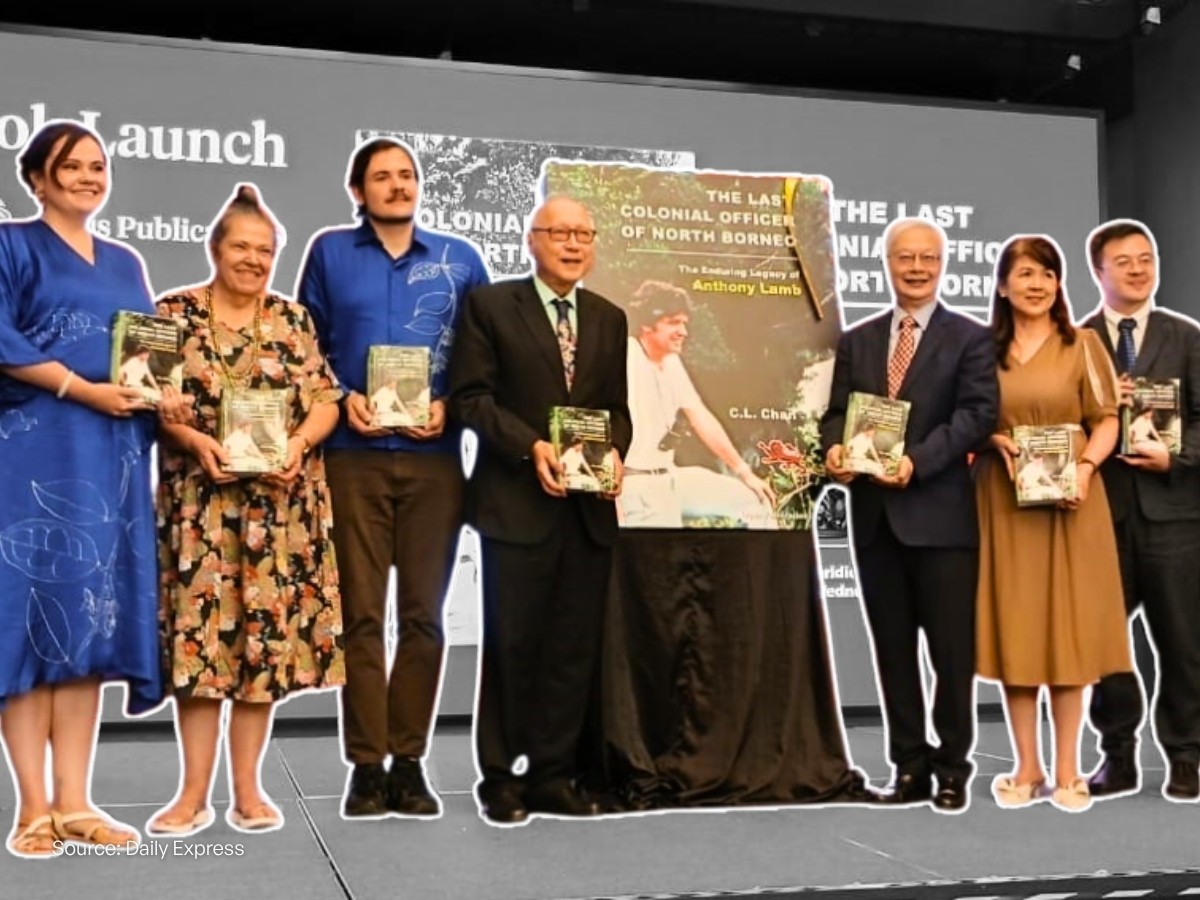
A biography launched in Kota Kinabalu in July 2026 is preserving the story of the late Datuk Anthony “Tony” Lamb, a respected agriculturist, botanist, naturalist and conservationist who spent more than six decades in Sabah.
The Last Colonial Officer of North Borneo: The Enduring Legacy of Anthony Lamb was launched posthumously at Le Méridien Kota Kinabalu on 15 July 2026.
Written by Datuk C.L. Chan, the book documents Lamb’s journey from a young agricultural officer in colonial North Borneo to a leading authority on Sabah’s plants and natural environments.
His contributions included nearly four decades with the Sabah Agriculture Department, extensive botanical fieldwork, scientific publications and a key role in developing what is now Sabah Agriculture Park in Tenom.
From Colonial North Borneo to a Life in Sabah
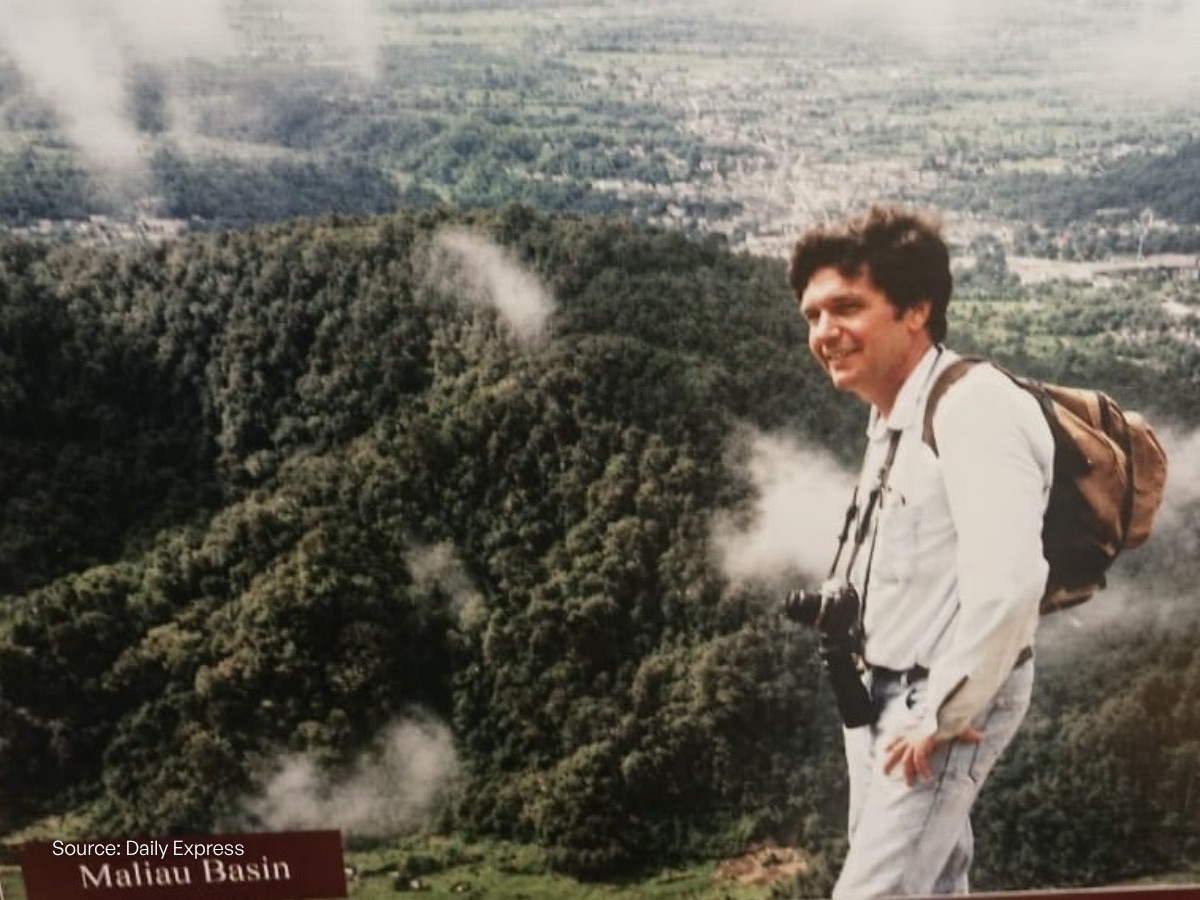
Lamb arrived in North Borneo in 1962 after graduating from the University of Cambridge. At 25, he was posted to Tawau as an agricultural officer and became the last colonial agricultural officer to serve in British North Borneo before the formation of Malaysia.
He went on to spend 39 years with the Sabah Agriculture Department.
His work took him through research stations, agricultural areas, villages, forests and remote field sites across the state. What began as an overseas posting eventually became a lifelong commitment to Sabah.
Over the decades, Lamb developed an extensive knowledge of the state’s flora, wildlife and ecosystems. Researchers, students, conservationists and nature enthusiasts came to regard him as a trusted source of information on Sabah’s natural history.
He remained in Sabah for more than 60 years, witnessing its transition from colonial North Borneo while contributing to the development of its agricultural and botanical knowledge.
Preserving Anthony Lamb’s Story
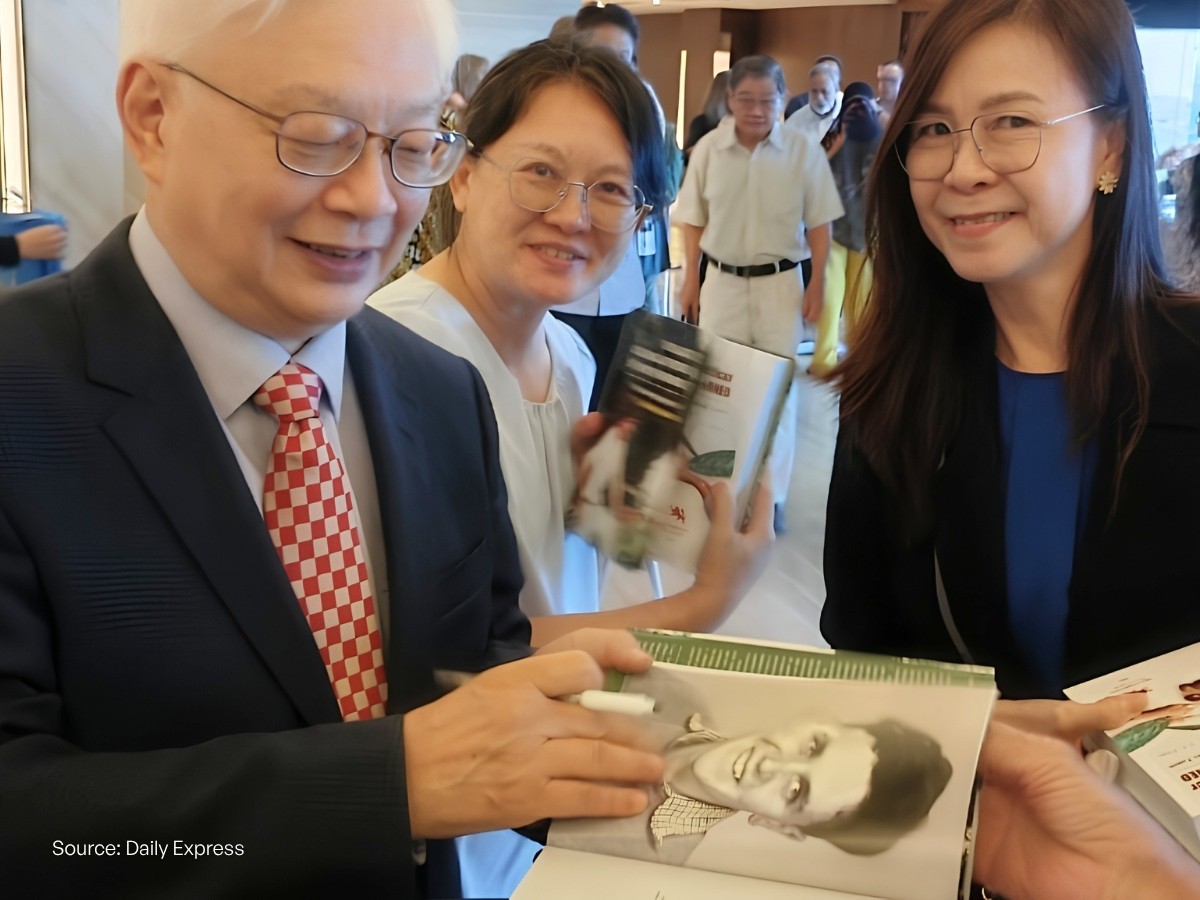
The biography was written by Datuk C.L. Chan, who had known Lamb for around 50 years.
Chan had reportedly encouraged his friend to write an autobiography. Lamb, however, was more interested in preparing for his next field expedition than documenting his own achievements.
Chan eventually took on the project, spending approximately two and a half years researching and compiling the book.
The biography draws on archival interviews, photographs and personal family papers. Lamb’s widow, Datin Anthea Phillipps, and his sister, Jane Lamb, were among those who contributed materials.
It covers six decades of agricultural work, field expeditions, botanical discoveries, conservation projects and collaborations with researchers. It also provides a wider record of Sabah’s agricultural and environmental development during Lamb’s lifetime.
A Life Dedicated to Agriculture and Botany
Although Lamb later became best known for his botanical expertise, his professional work began in agriculture.
During his career with the Sabah Agriculture Department, he contributed to agricultural development and the introduction of fruit trees and ornamental plants.
One of his most visible contributions was his involvement in developing what is now Sabah Agriculture Park in Tenom. The park grew from the Tenom Orchid Centre, which was established as a state conservation initiative.
Lamb helped develop its plant collections and expand its agricultural and botanical significance. The park remains a tangible part of his legacy in Sabah.
His expertise extended far beyond cultivated plants.
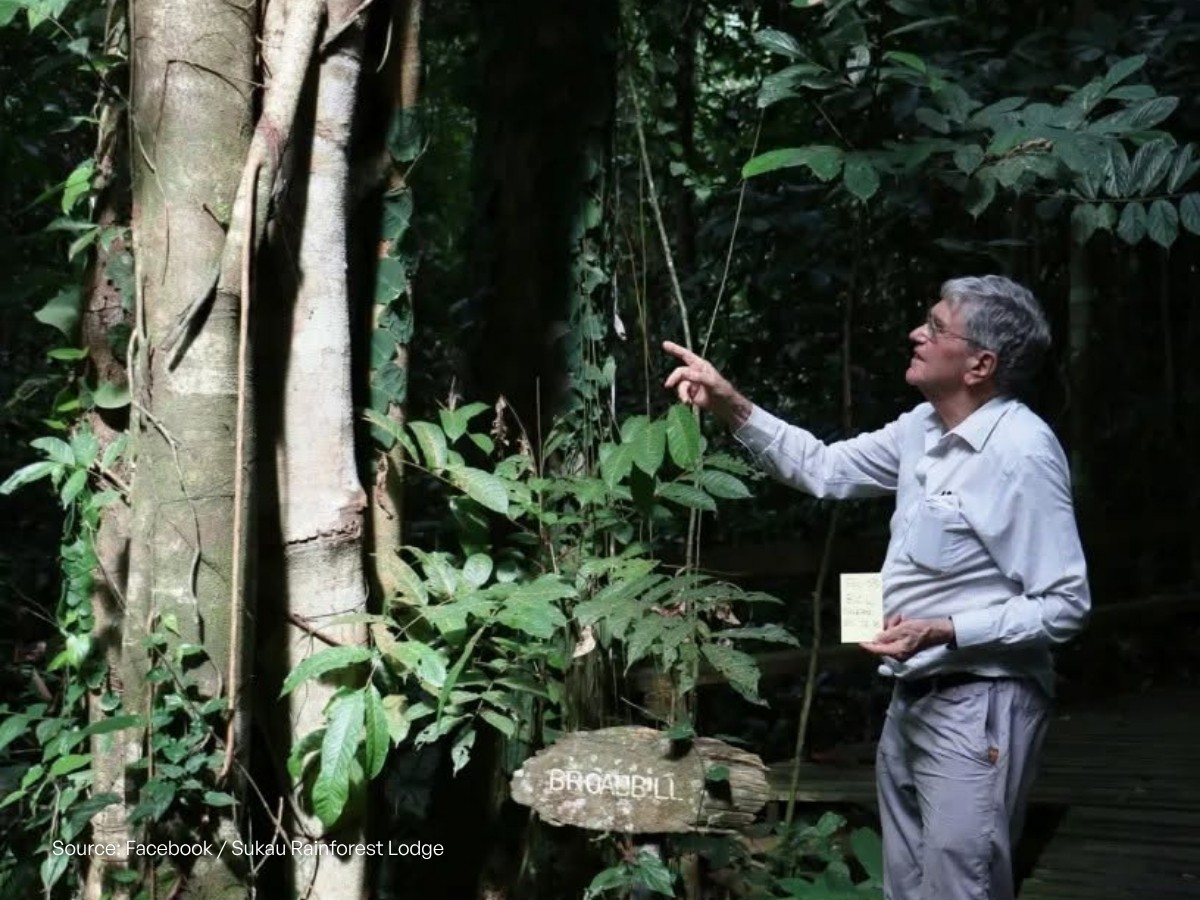
Lamb became widely known as a “walking botanical encyclopaedia” because of his knowledge of orchids, native plants, wild fruits and the ecosystems in which they grew.
At the book launch, speakers credited him with discovering or helping to scientifically describe more than 150 plant species. He also contributed to important publications on Borneo’s orchids, wild fruits and wider plant diversity.
Much of this knowledge came from decades of direct field observation. Lamb travelled into remote parts of Sabah, worked alongside local communities and took part in expeditions through some of the state’s most challenging environments.
His fieldwork occasionally placed him in considerable danger. During his years in Sabah, he survived a helicopter crash, a serious fall in the Maliau Basin and a major road accident.
Despite these experiences, he continued exploring, documenting plants and sharing his expertise.
Lamb was also respected for making scientific knowledge accessible. He worked with academics and visiting researchers, but could explain complex botanical subjects in ways that students, villagers and members of the public could understand.
His knowledge also supported international research and documentary teams, including BBC productions focused on Sabah’s forests and biodiversity.
Why Anthony Lamb’s Legacy Still Matters
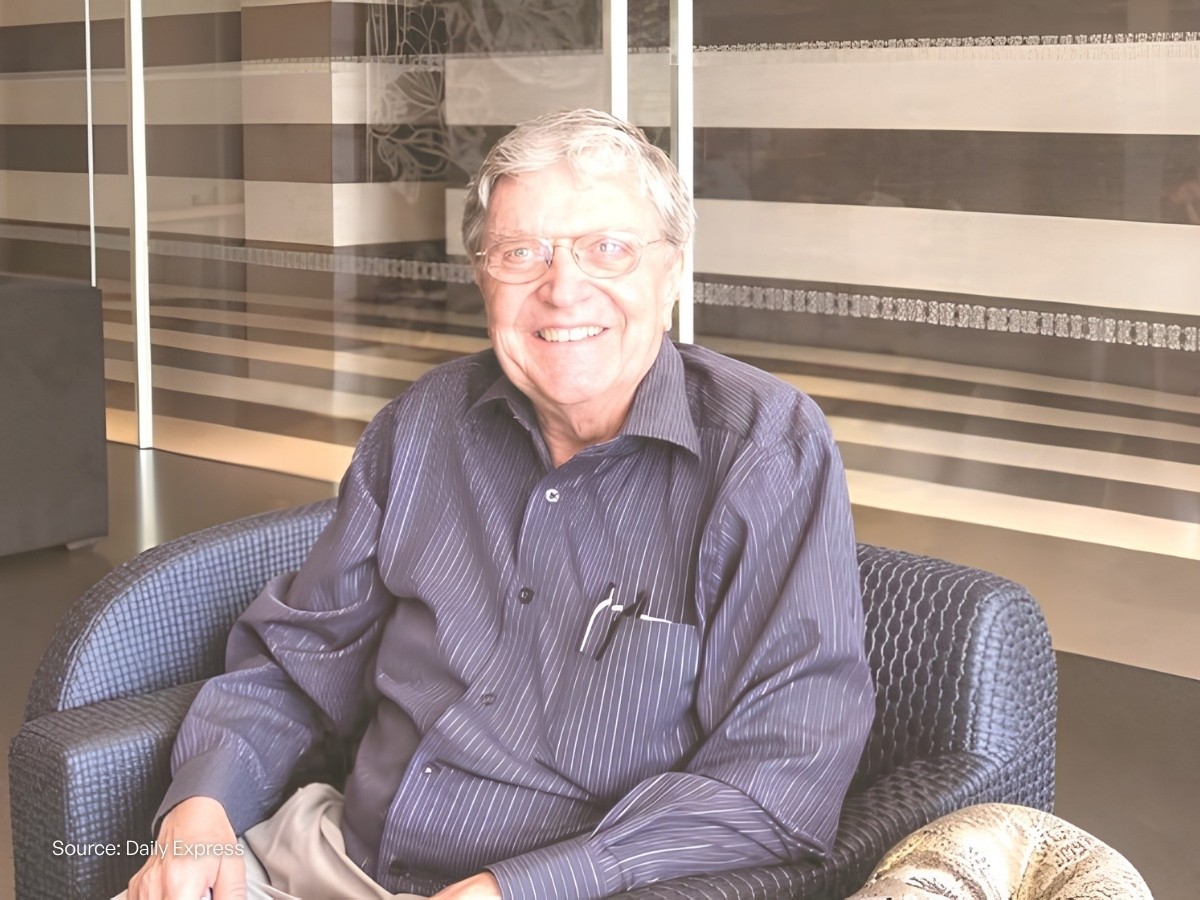
After attending the book launch, KC Chen reflected that Lamb had become part of Sabah’s own story.
Although he first arrived as a colonial-era officer, Lamb remained through the formation of Malaysia and dedicated the following decades to Sabah’s agriculture and natural environments.
His life is a reminder that Sabah’s history has been shaped not only by political events and public institutions, but also by individuals who studied the land, worked with communities and preserved knowledge for future generations.
Lamb died in Kota Kinabalu on 31 January 2024 at the age of 86.
His legacy remains visible in the Agriculture Park he helped develop, the botanical publications he contributed to and the researchers, students and nature lovers who continue to learn from his work.
The Last Colonial Officer of North Borneo ensures that the experiences behind those contributions will also be remembered.
The book documents the life of a man who arrived in North Borneo as a young agricultural officer and went on to become one of Sabah’s most respected authorities on agriculture, botany and the natural world.
The Book at a Glance
- Title: The Last Colonial Officer of North Borneo: The Enduring Legacy of Anthony Lamb
- Author: Datuk C.L. Chan
- Launch date: 15 July 2026
- Launch venue: Le Méridien Kota Kinabalu
- Subject: Anthony Lamb’s life and his contributions to agriculture, botany, conservation and natural history in Sabah