
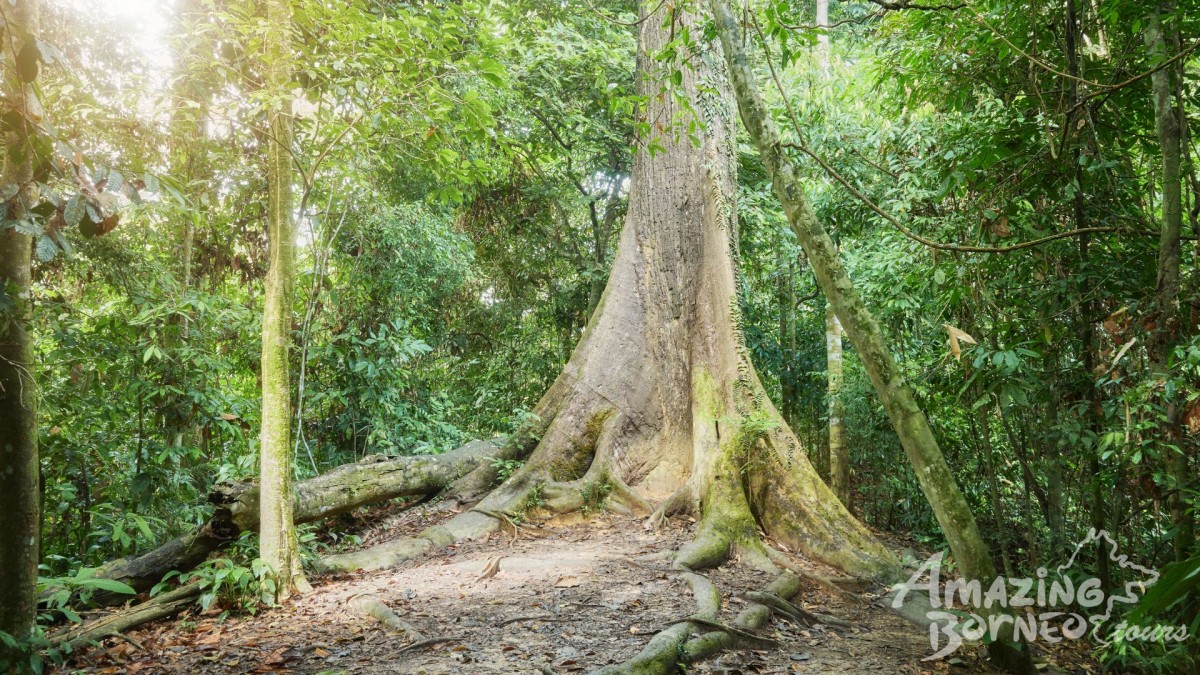
Stretching across Malaysia, Indonesia and Brunei, Borneo’s ancient rainforests are a treasure trove of global biodiversity. With Sabah showcasing some of the most intact and diverse tracts on Earth. In a single hectare, the tree diversity can outstrip that of an entire temperate continent. Estimated to be over 140 million years old, these complex ecosystems offer a glimpse into a world teeming with rare wildlife and unique flora, particularly in Sabah.
A Global Biodiversity Hotspot: The Heart of Sabah
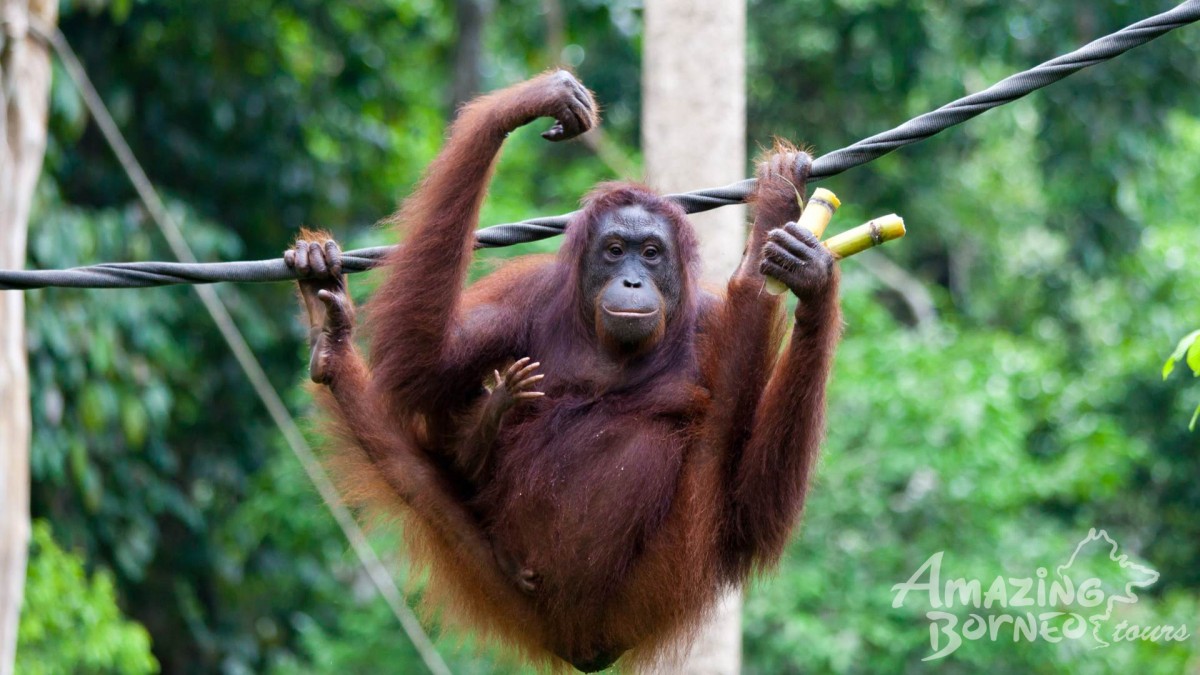
Borneo is a recognised global biodiversity hotspot and Sabah, with destinations like Danum Valley Conservation Area, Kinabatangan Park and Kinabalu Park, represents its heart. The island supports thousands of plant and animal species, many of which are endemic meaning they do not exist anywhere else in the world.
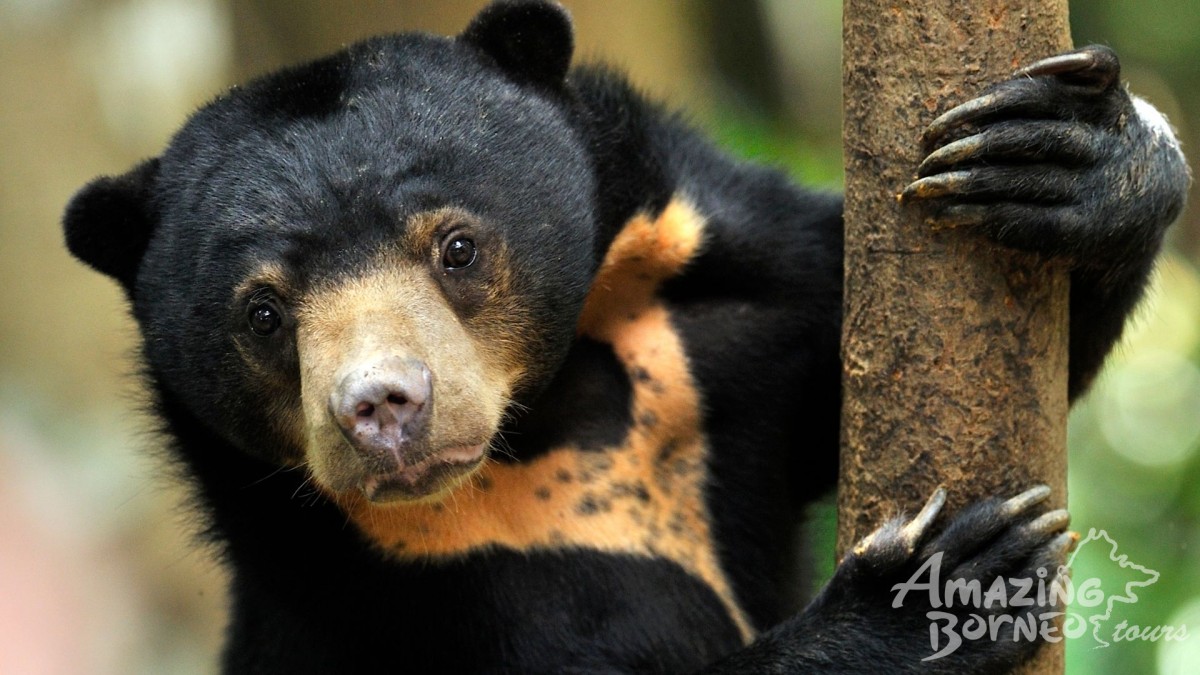
Some of Borneo’s most iconic wildlife include the Bornean orangutan, the Bornean Sun Bear, the unusual looking proboscis monkey and the rare Bornean pygmy elephant. The rainforest is also home to the famous Rafflesia arnoldii, known as the largest individual flower in the world. Researchers continually discover new species, highlighting the rainforest’s untapped secret and solidifying Sabah’s position as a prime destination for nature enthusiasts.
Diverse Ecosystems: A Tapestry of Habitats
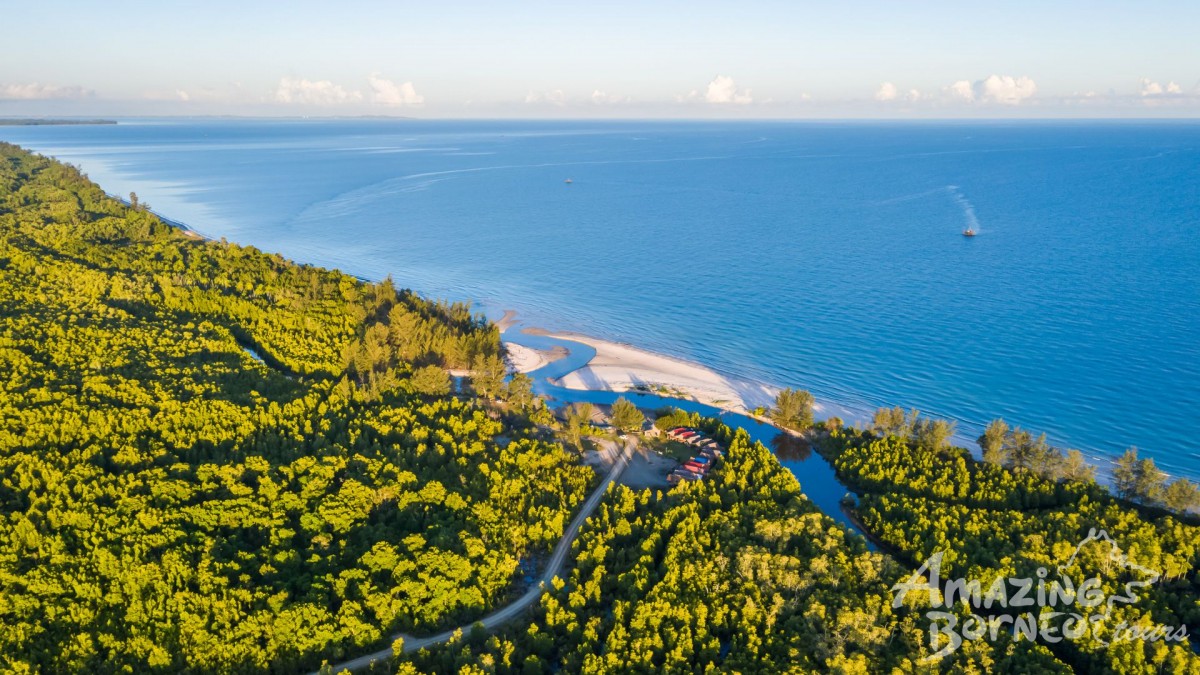
Sabah’s landscapes stitch together a variety of rainforest ecosystems. These include:
-
Lowland Dipterocarp Forests: Among the most species-rich ecosystems in the world.
-
Peat Swamp Forests: Playing a vital role in storing carbon.
-
Mangrove Forests: Protecting shorelines and serving as nurseries for marine life.
-
Montane Forests: Supporting unique species adapted to cooler mountain environments.
This range of habitats fosters an extraordinary array of wildlife, each adapted to specific conditions.
Towering Dipterocarp Forests: Giants of the Ecosystem
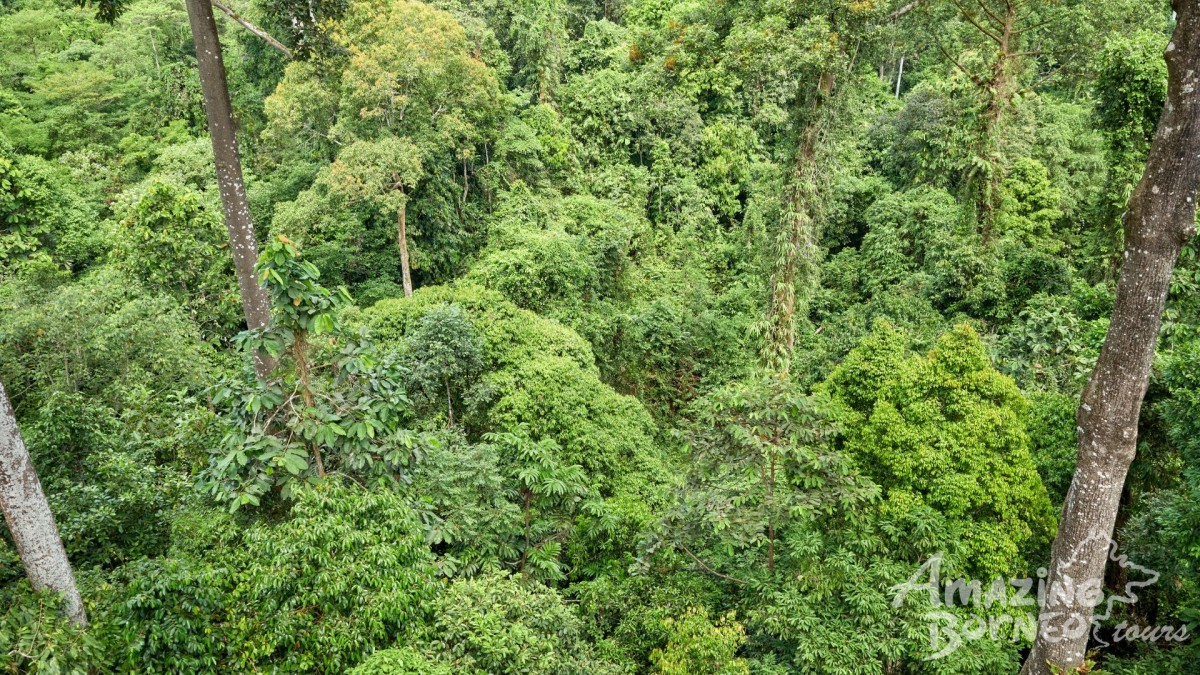
Dipterocarp forests, dominated by trees exceeding 70 metres, forming a dense canopy high above forest floor define Borneo’s landscape. Their massive trunks and high canopies create a multi-layered ecosystem made up of the forest floor, understory, canopy and emergent layer.
Each layer supports different forms of life. The forest floor hosts fungi, insects and ground-dwelling animals, while the canopy and emergent trees provide shelter for birds, primates and countless insects. Periodic mast fruiting cascades through the food web, feeding wildlife in dramatic pulses.
Sabah’s Protected Rainforest Landscapes
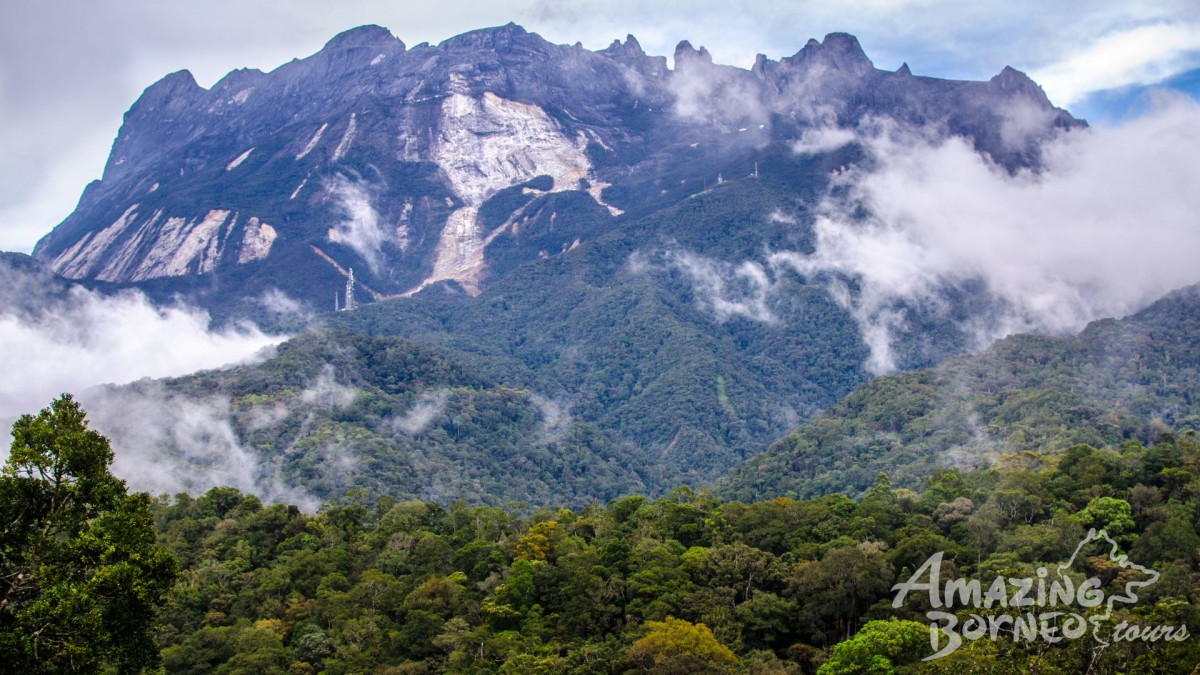
Sabah boasts well-preserved rainforest areas, essential for wildlife conservation and ecosystem health. Places such as Danum Valley Conservation Area, Maliau Basin and Kinabalu Park offer some of the best opportunities to experience pristine rainforest environments.
Meanwhile, the Kinabatangan River is famous for its remarkable wildlife, where visitors may encounter proboscis monkeys, hornbills, crocodiles and even pygmy elephants during river cruises. These protected areas demonstrate how conservation and sustainable tourism can work together to protect biodiversity.
Rainforests and Local Communities

Although Borneo’s rainforests are often imagined as untouched wilderness, the island is home to millions of people. Indigenous communities have lived alongside these forests for generations, relying on them for food, medicine and cultural traditions.
Many local communities play an important role in conservation by protecting forests and maintaining traditional ecological knowledge that supports sustainable resource use.
A Living Laboratory for Science

Borneo’s rainforests are often described as a living laboratory for researchers and scientists. Researchers from around the globe come here to study tropical ecology, wildlife behaviour, climate change and conservation strategies.
The island has fascinated scientists for centuries. In the 19th century, naturalist Alfred Russel Wallace conducted extensive research in the region, contributing to early ideas about evolution and natural selection.
Today, new discoveries are made regularly, including previously unknown insects, plants and amphibians. These findings help scientists better understand how tropical ecosystems function and how they can be protected for the future, further proving that much of this ecosystem remains unexplored.
Why Protecting These Forests Matters
Despite their ecological importance, Borneo’s rainforests and biodiversity face significant threats from deforestation, habitat fragmentation and illegal wildlife trade. Large areas of forest have been cleared over recent decades for logging and agriculture development.
Protecting these forests is essential not only for wildlife but also for global climate stability. Tropical rainforests store massive amounts of carbon and help regulate the Earth’s climate. Efforts by government bodies, conservation organisations and local communities continue to play a vital role in safeguarding this natural heritage.
Explore Borneo with AmazingBorneo

When you’re ready to experience Sabah’s biodiversity up close, plan with AmazingBorneo.
Thoughtfully designed itineraries to Danum Valley, the Kinabatangan River and beyond make it easy to travel responsibly while supporting conservation-driven tourism.
A Legacy Worth Preserving
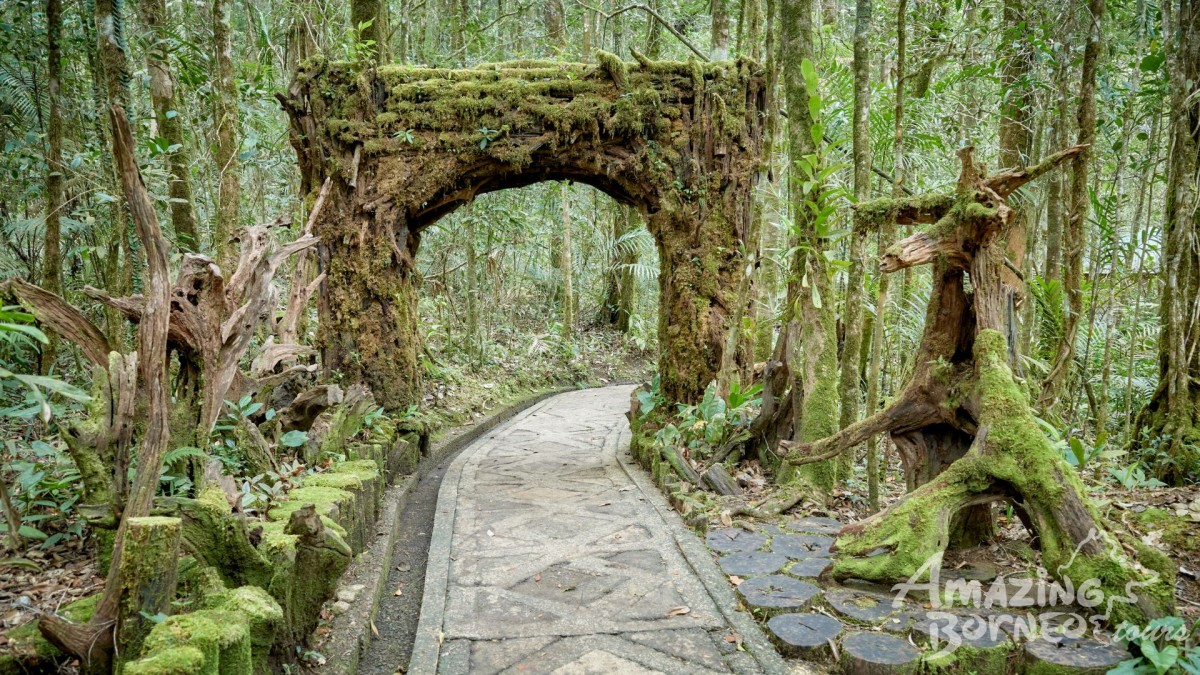
Borneo’s rainforests are unique because of their age, biodiversity and ecological importance. From towering dipterocarp trees to rare wildlife found nowhere else on Earth, these forests represent one of the planet’s greatest natural treasures.
Preserving them ensures that future generations can continue to learn from and experience one of the most remarkable ecosystems on Earth.