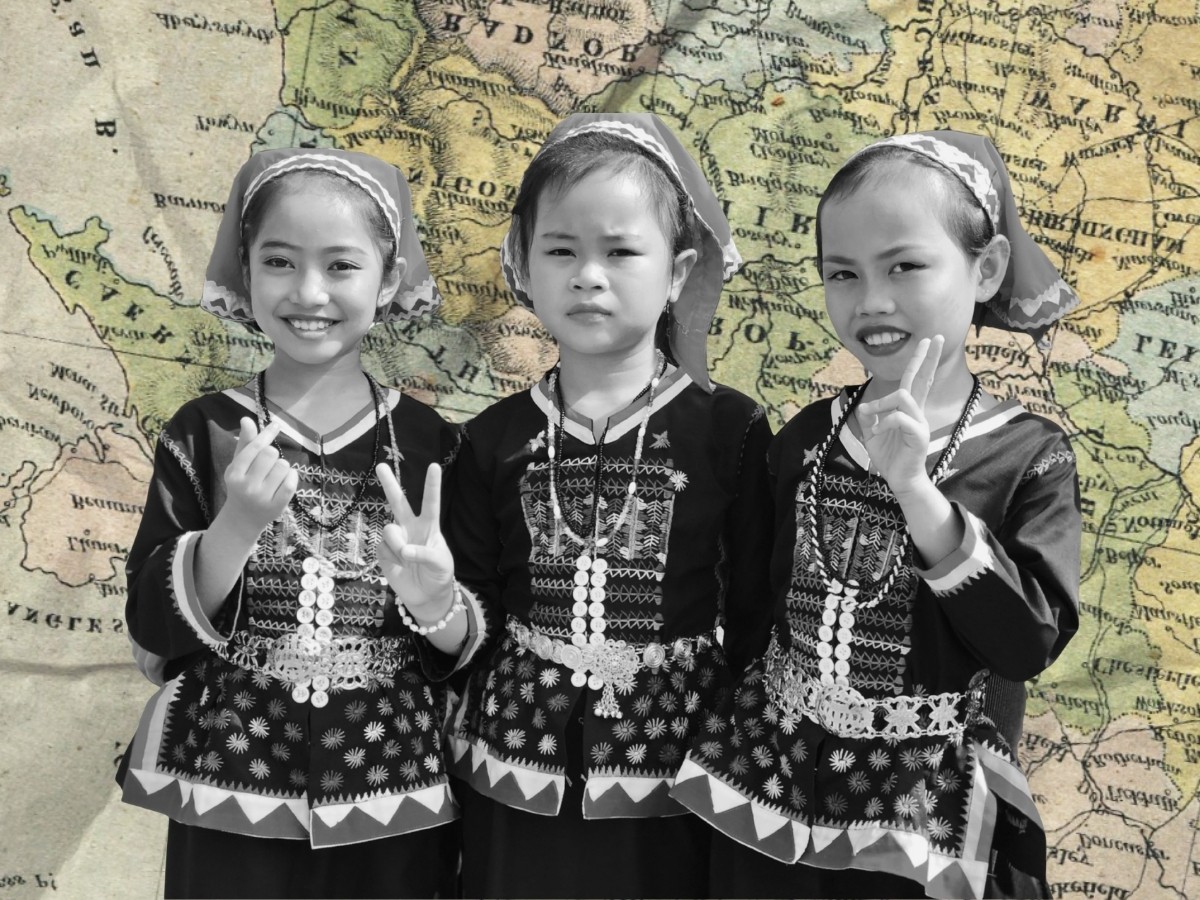
Sabah’s indigenous cultures are deeply rooted in Borneo, but they also form part of a much wider Austronesian cultural world stretching across Southeast Asia and the Pacific. From the Kadazan, Dusun, and Rungus communities in Sabah to island societies as far as Polynesia and Madagascar, many cultures across this region share ancient linguistic roots, maritime traditions, ceremonial practices, and community-based ways of life.
Today, traces of these shared Austronesian traditions can still be seen throughout Sabah, especially during festivals such as Kaamatan, in indigenous music and dance, woven textiles, communal rituals, and long-standing relationships with nature and the land.
What is the Austronesian World?
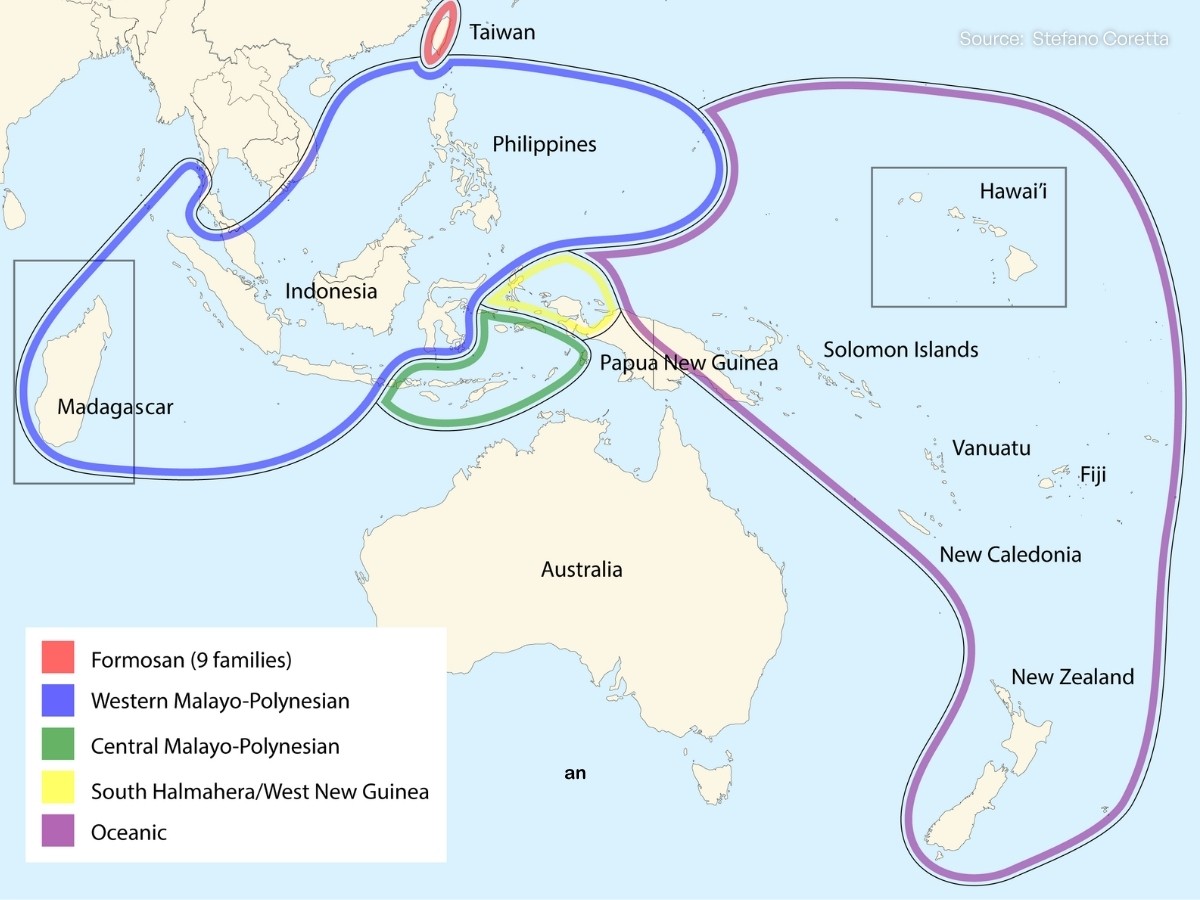
The Austronesian peoples are connected primarily through language. The Austronesian language family is one of the largest in the world, spanning from Taiwan and the Philippines to Indonesia, Madagascar, Micronesia, and Polynesia.
Many indigenous languages spoken in Sabah belong to the Austronesian language family, including languages and dialects from the Dusunic, Murutic, Bajau, and Paitanic branches. These include widely spoken languages such as Kadazan, Dusun, Rungus, and various Murut dialects, alongside dozens of other indigenous languages still spoken across the state today.
Polynesian languages such as Hawaiian, Māori, and Samoan also trace their origins to the same broader linguistic ancestry.
Beyond language, many Austronesian societies historically shared characteristics shaped by island and maritime life, including:
- Strong communal traditions
- Maritime and seafaring knowledge
- Oral storytelling and ancestral memory
- Ritual ceremonies tied to agriculture and nature
- Music, dance, and performance traditions
- Symbolic weaving and textile-making
Many of these cultural themes can still be found across island communities throughout maritime Southeast Asia and the Pacific today.
Kaamatan and Living Indigenous Traditions in Sabah
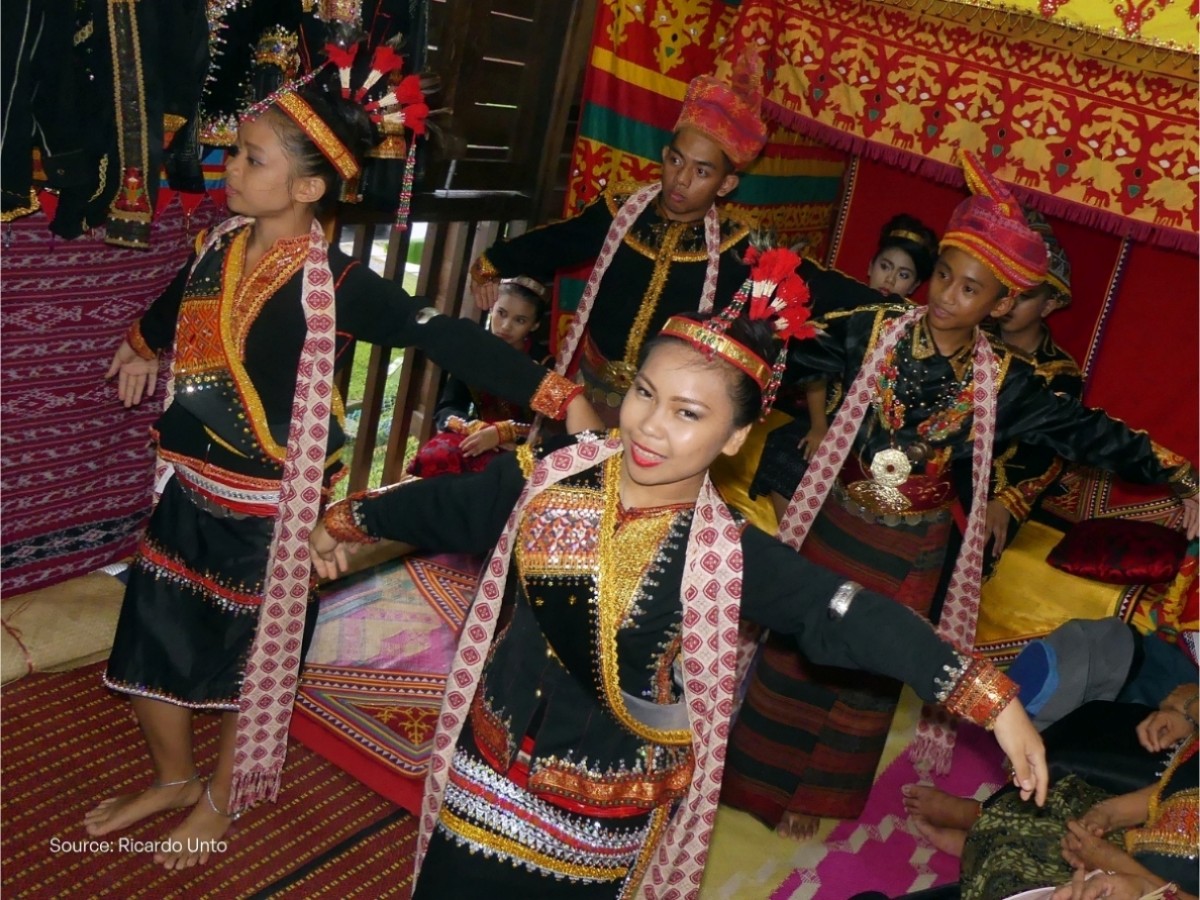
One of the clearest expressions of Sabah’s indigenous cultural heritage today is Kaamatan, the state’s annual Harvest Festival celebrated throughout May.
Rooted in agricultural traditions tied to rice cultivation, Kaamatan is especially significant among the Kadazan-Dusun community, where the festival honours the harvest and expresses gratitude for abundance, resilience, and community. Traditional attire, gong performances, dance, indigenous food, and communal gatherings remain central to Kaamatan festivities across Sabah.
Harvest ceremonies themselves are not unique to Sabah. Across many Austronesian societies, communities historically developed rituals tied to planting cycles, harvest seasons, and communal thanksgiving.
Today, Kaamatan continues to function as a living cultural tradition rather than simply a historical celebration preserved for tourism.
Music, Gongs, and Bamboo Traditions
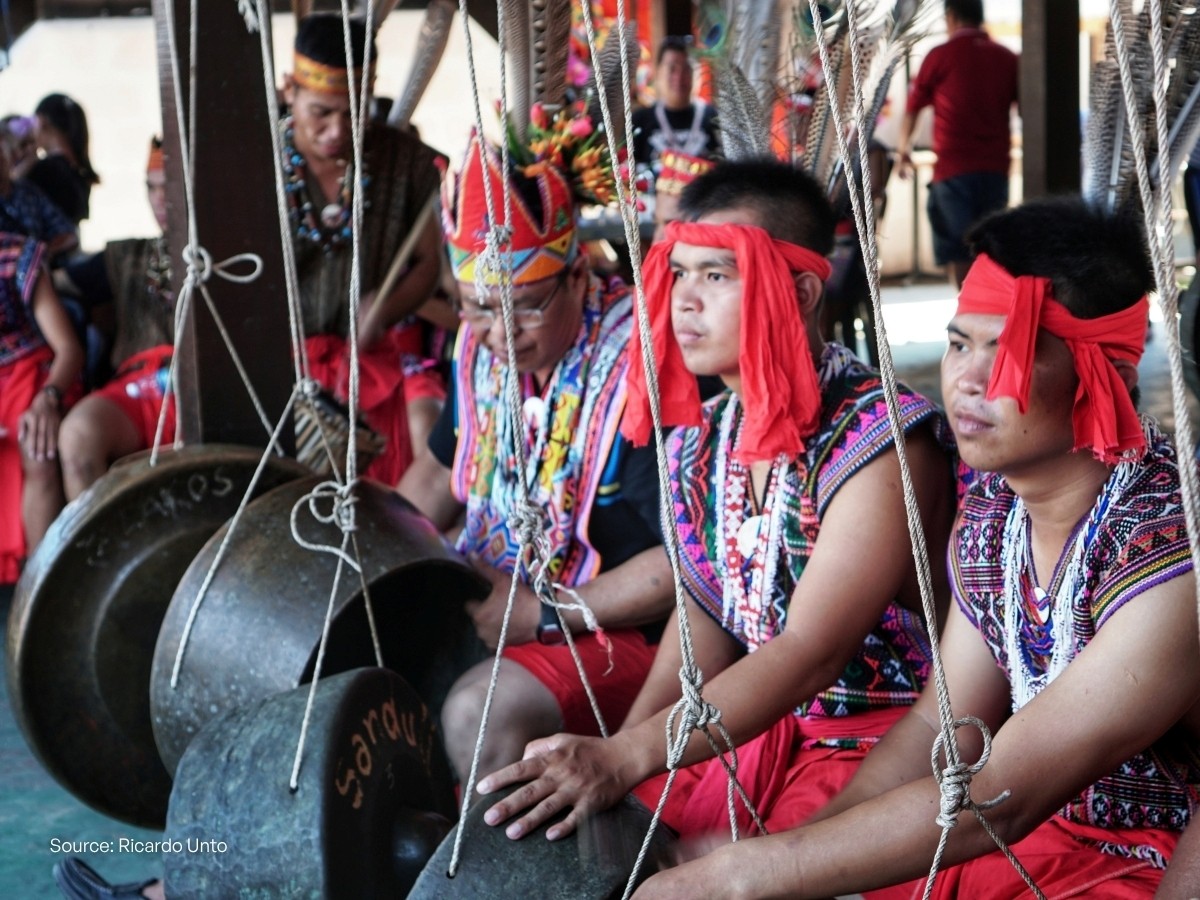
Music has long played an important role in Austronesian societies, and Sabah’s indigenous performance traditions remain among the most distinctive in the region.
Traditional gong ensembles are widely used across Sabah during ceremonies, celebrations, and cultural performances. Bamboo instruments, rhythmic percussion, and traditional dances also continue to feature prominently during festivals such as Kaamatan.
Across many Austronesian cultures, music is closely tied to ritual, storytelling, dance, and community life. In Sabah, these traditions remain especially visible during Kaamatan, village celebrations, and cultural performances.
Weaving Identity Through Textiles
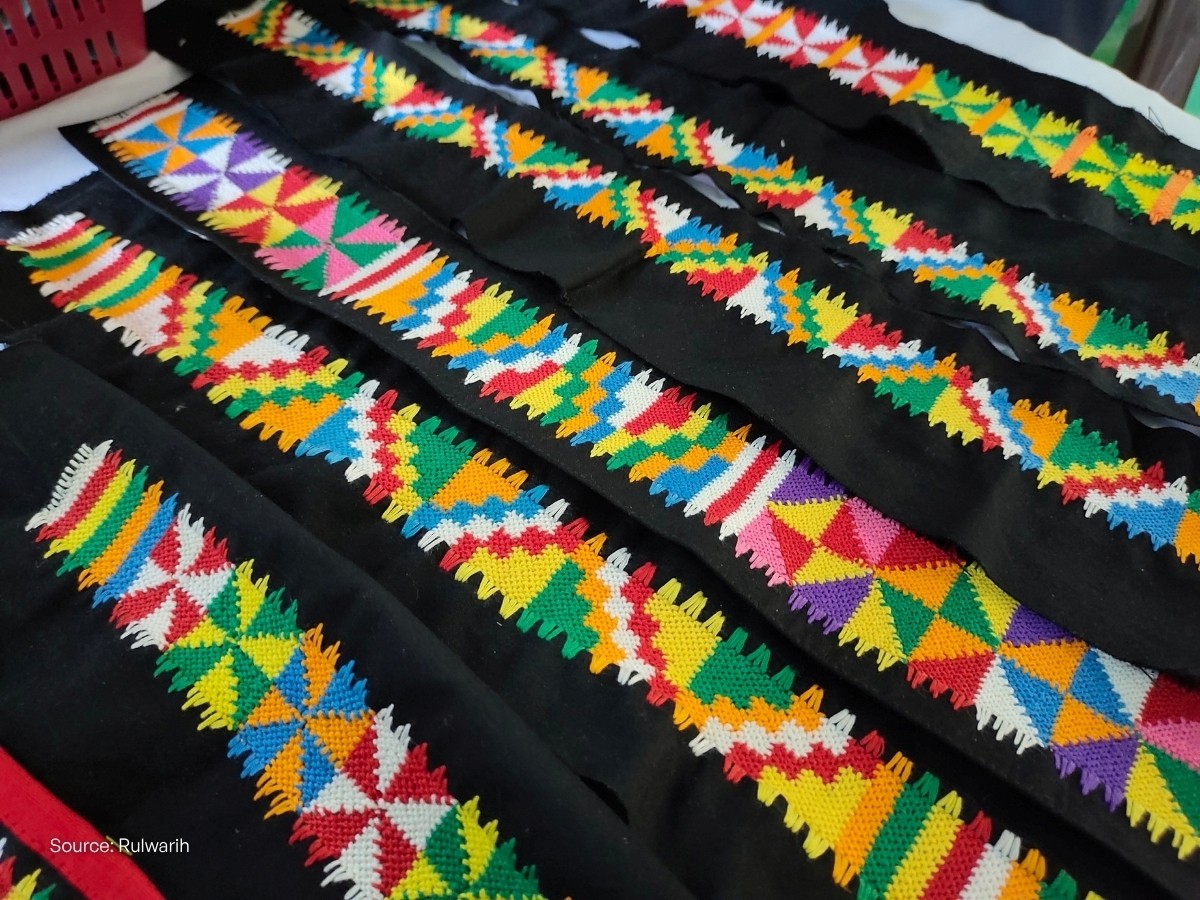
Traditional textiles are another important cultural expression found across many Austronesian societies.
In Sabah, communities such as the Rungus are known for intricate woven textiles featuring geometric motifs, symbolic patterns, and natural colour palettes inspired by the surrounding environment. Traditional attire often carries meanings connected to ancestry, status, ritual, and identity.
Across many island societies, weaving historically extended beyond decorative craft. Textiles frequently reflected social roles, environmental knowledge, spiritual beliefs, and intergenerational storytelling.
Community, Nature, and Indigenous Worldviews
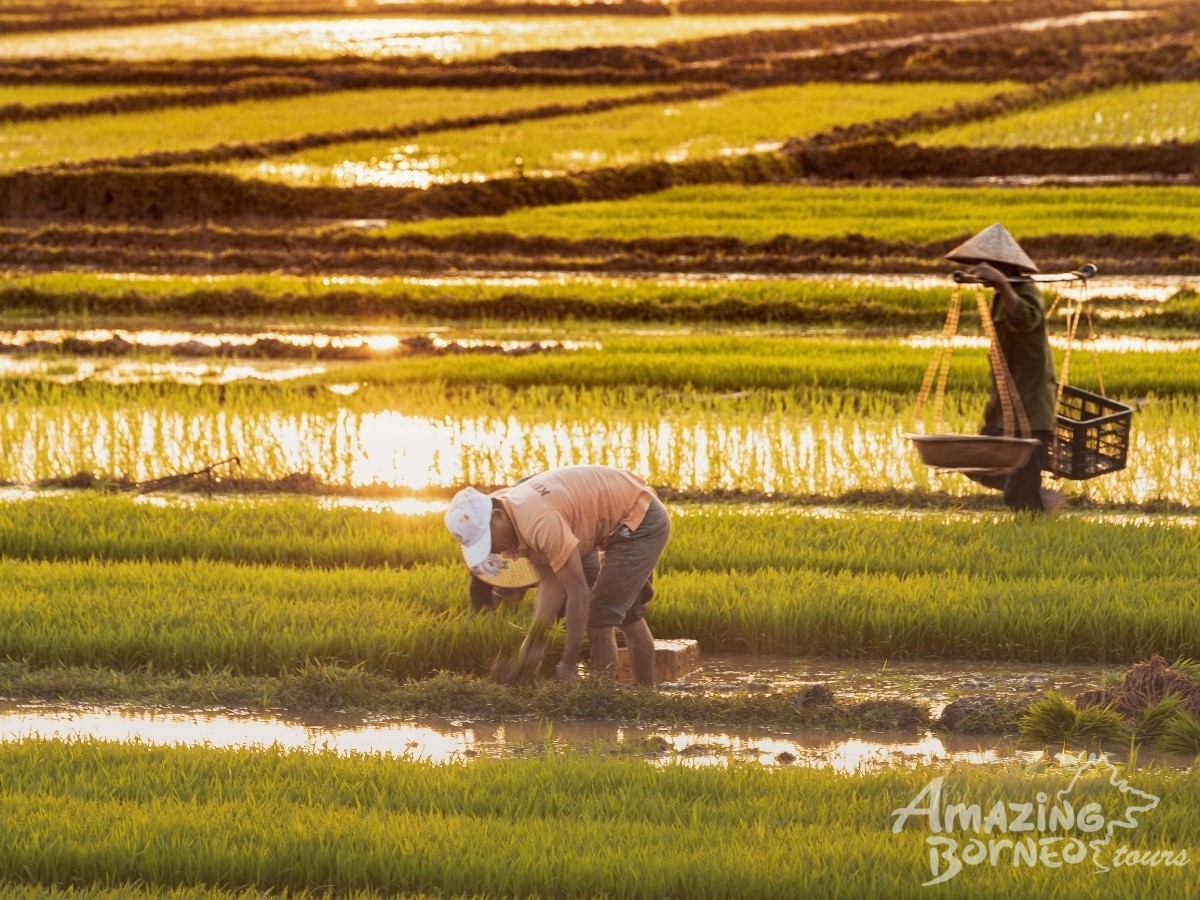
Across many indigenous communities in Sabah, traditional customs were historically shaped by forests, rivers, seas, and agricultural cycles.
This relationship with nature remains visible today in farming traditions, local food practices, and community-based cultural experiences across the state.
Experiencing Sabah’s Cultural Heritage Today
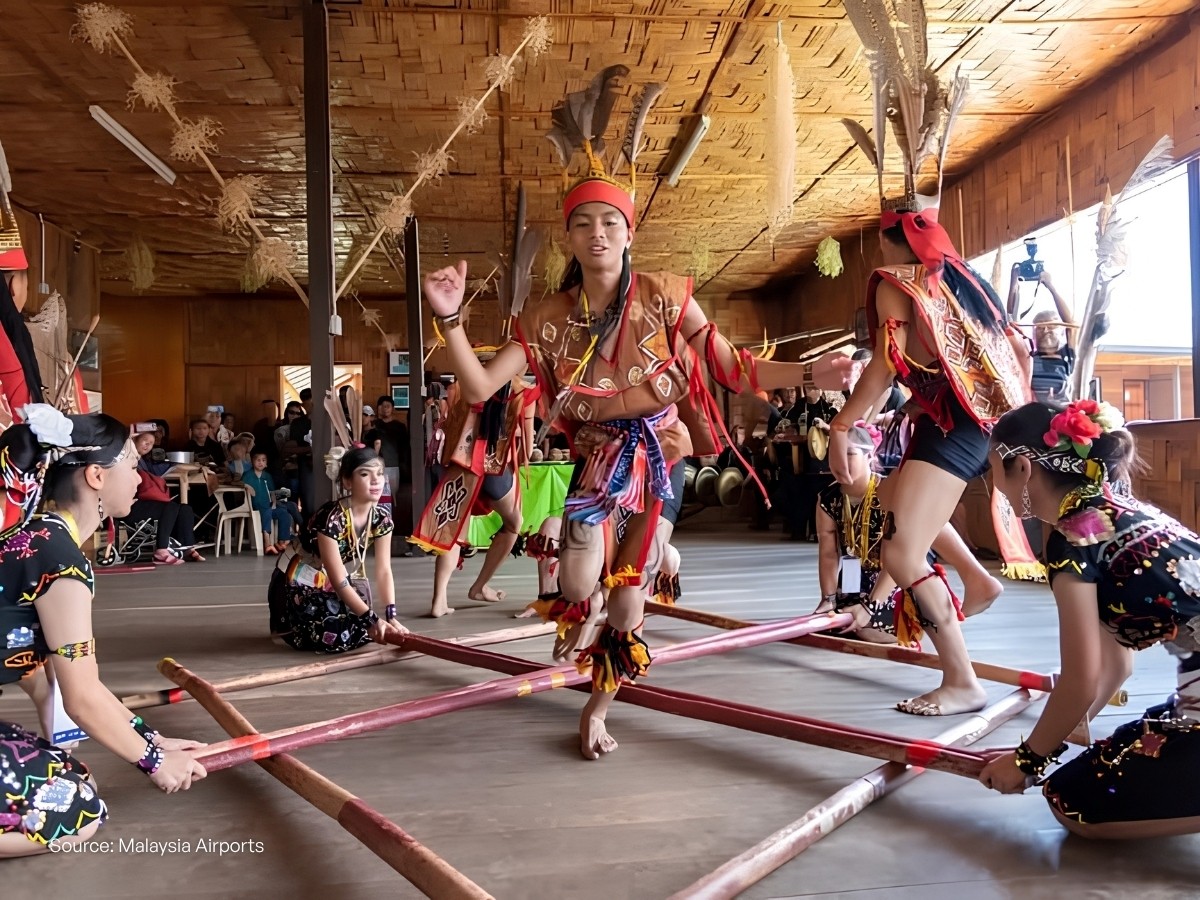
For travellers seeking to understand Sabah beyond its natural attractions, cultural experiences offer some of the most meaningful ways to connect with the state.
From Kaamatan celebrations and traditional performances to indigenous cuisine, weaving traditions, village experiences, and community tourism initiatives, Sabah continues to offer meaningful opportunities to experience indigenous cultural heritage firsthand.
These traditions are not frozen in the past. They continue to shape how communities celebrate, remember, and pass on knowledge across generations.
In many ways, this is what makes Sabah especially compelling within the wider Austronesian world. Despite modernisation and global change, many traditions here remain active parts of everyday life, continuing to shape identity, memory, and community across Sabah today.
Frequently Asked Questions About Sabah’s Austronesian Heritage
Are Sabah’s indigenous communities Austronesian?
Yes. Many indigenous groups in Sabah, including the Kadazan, Dusun, and Rungus communities, belong to the wider Austronesian linguistic and cultural sphere shared across maritime Southeast Asia and the Pacific.
What is the Austronesian world?
The Austronesian world refers to a vast network of cultures and languages spread across island Southeast Asia, the Pacific Islands, and parts of the Indian Ocean, including Madagascar. It is one of the largest cultural-linguistic groupings in the world.
What is Kaamatan Harvest Festival?
Kaamatan is Sabah’s annual Harvest Festival celebrated throughout May, particularly among the Kadazan-Dusun community. The festival honours the rice harvest and celebrates community, cultural heritage, and indigenous traditions.
Which indigenous groups live in Sabah?
Sabah is home to many indigenous communities, including the Kadazan, Dusun, Murut, Rungus, Bajau, Iranun, Lotud, and numerous other ethnic groups across the state.