
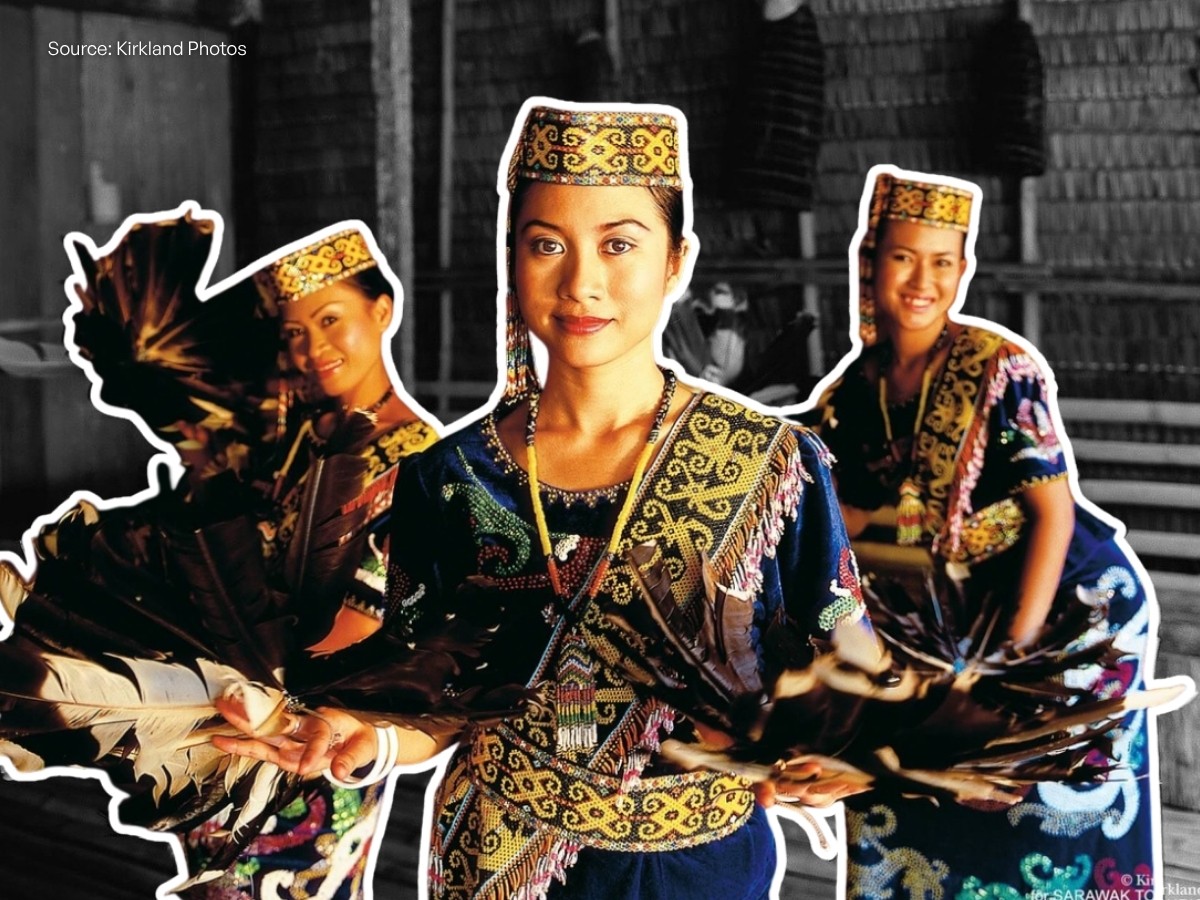
Every year on 1st and 2nd June, communities across Sarawak come together to celebrate Gawai Dayak, one of the state’s most important cultural festivals. Rooted in harvest traditions and indigenous identity, Gawai is both a thanksgiving celebration and a time for family reunions, communal gatherings, and cultural festivities throughout Sarawak.
For many Dayak communities, Gawai is more than just a public holiday. It is a deeply meaningful occasion that reflects gratitude for the harvest season while strengthening ties between families, villages, and longhouse communities that have shaped Sarawak’s cultural identity for generations.
Today, Gawai continues to be celebrated across both rural and urban Sarawak, blending traditional customs with modern festivities while remaining closely tied to the spirit of hospitality and togetherness that defines the festival.
What is Gawai Harvest Festival?
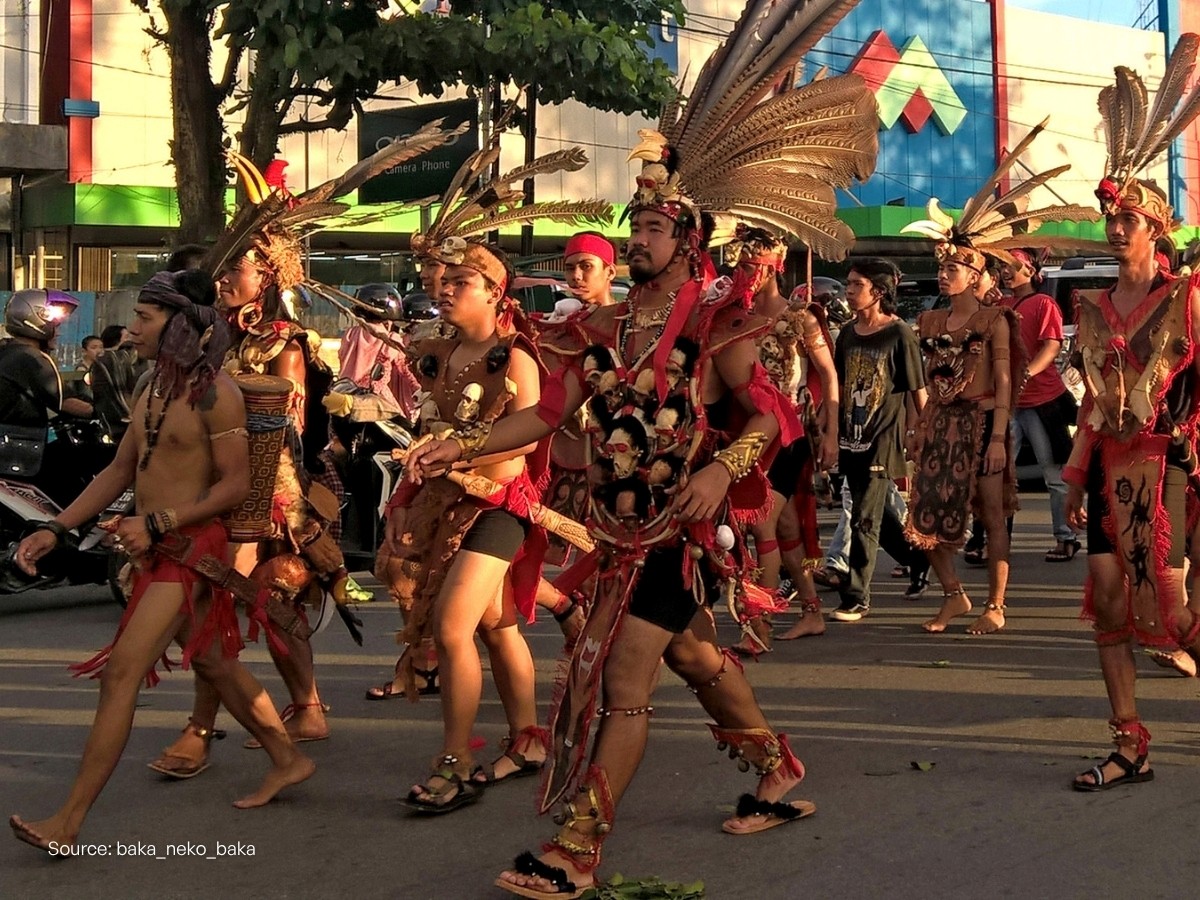
Gawai Dayak is Sarawak’s annual harvest festival celebrated primarily by the Dayak communities, particularly the Iban, Bidayuh, and Orang Ulu groups.
The word “Gawai” generally refers to a ceremonial celebration or festival. Historically connected to rice farming and agricultural life, Gawai was traditionally observed to mark the end of the harvest season and to give thanks for abundance, prosperity, and blessings for the year ahead.
The festival officially became a public holiday in Sarawak in 1965, although the harvest traditions behind Gawai are much older and deeply rooted in the cultural life of Sarawak’s indigenous communities.
💡 Did you know? While Sarawak has Gawai, Sabah has its own harvest festival, Kaamatan! Learn more about Kaamatan Harvest Festival here.
The Meaning Behind Gawai Harvest Festival
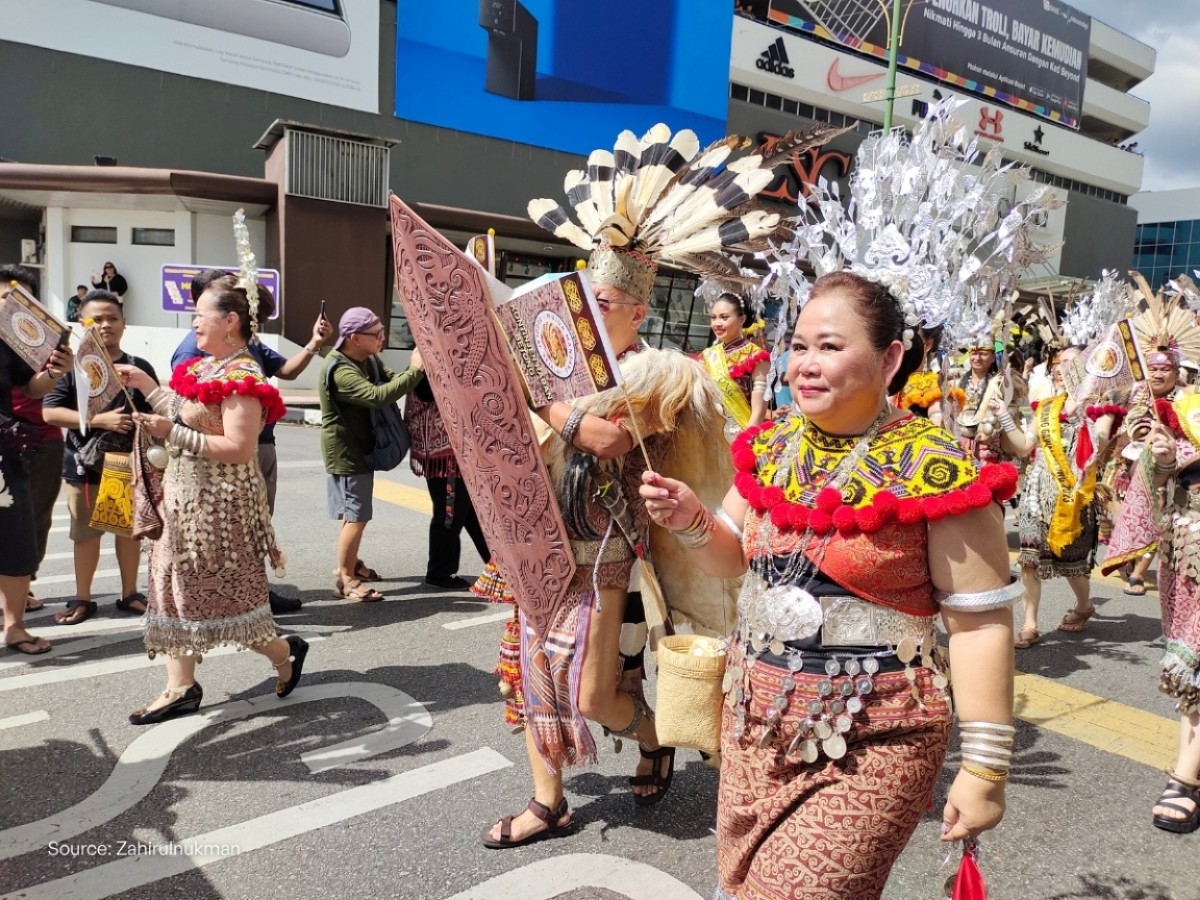
At its heart, Gawai is a celebration of gratitude, togetherness, and renewal.
For many families across Sarawak, the festival is also an important balik kampung occasion where relatives return home to reunite with family members and celebrate together after months of work or study away from their hometowns and longhouses.
The communal nature of Gawai remains one of the festival’s defining characteristics. Across Sarawak, homes and longhouses open their doors to relatives, neighbours, friends, and visitors through the tradition of ngabang, where guests travel from house to house sharing food, drinks, and celebrations together.
Longhouse Traditions During Gawai
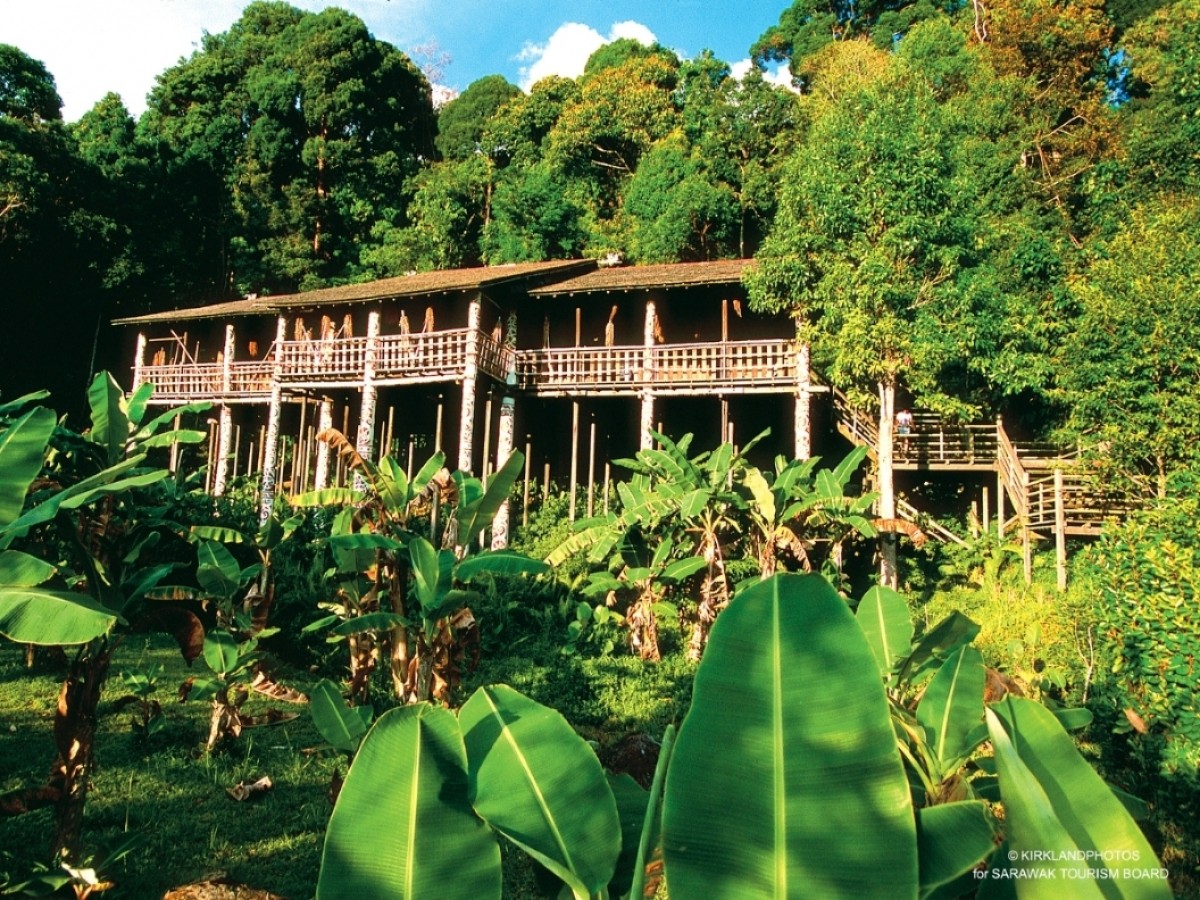
Longhouses become the heart of Gawai celebrations throughout many parts of Sarawak.
Traditionally, longhouses were built as communal homes where multiple families lived together under one roof while sharing responsibilities, celebrations, and daily life as a community. Even today, longhouses remain one of the most recognisable symbols of Dayak culture in Sarawak.
During Gawai, longhouses often come alive with traditional music, dance performances, storytelling, communal feasting, tuak gatherings, and family reunions that continue late into the night.
For many visitors, experiencing Gawai in a longhouse offers one of the most meaningful ways to better understand Sarawak’s cultural traditions and community-oriented way of life.
Readers interested in learning more about Sarawak’s indigenous communities and longhouse traditions can also explore Sarawak’s broader cultural heritage.
Gawai Traditional Food and Tuak
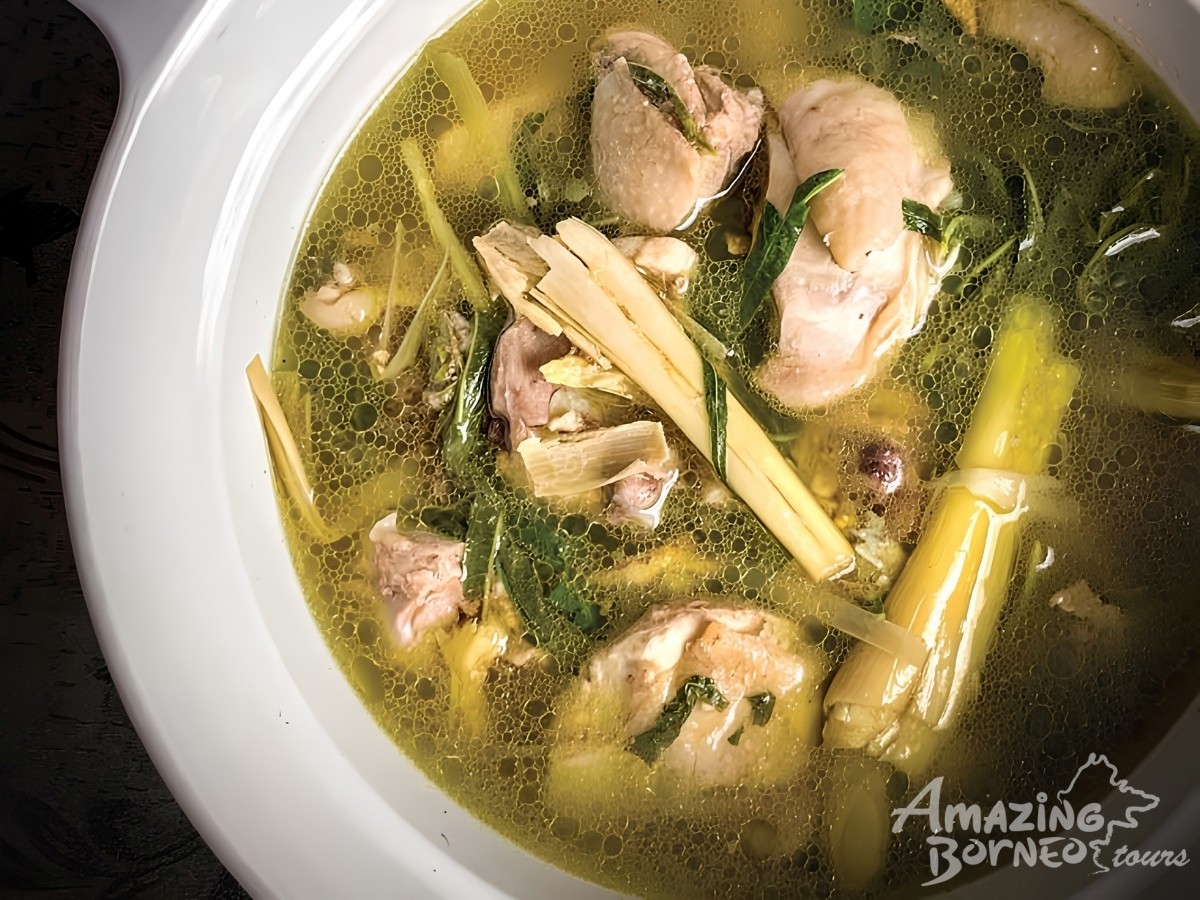
Food and hospitality are central to Gawai celebrations, with families preparing large communal meals that bring together relatives and guests throughout the celebration period.
Popular dishes and drinks commonly associated with Gawai include:
- Manok pansoh (chicken cooked in bamboo)
- Kasam fish
- Tuak rice wine
- Langkau rice spirit
Tuak, a traditional rice wine commonly served during Gawai, continues to play an important role in social gatherings and hospitality during the festival.
Modern Gawai Celebrations in Sarawak
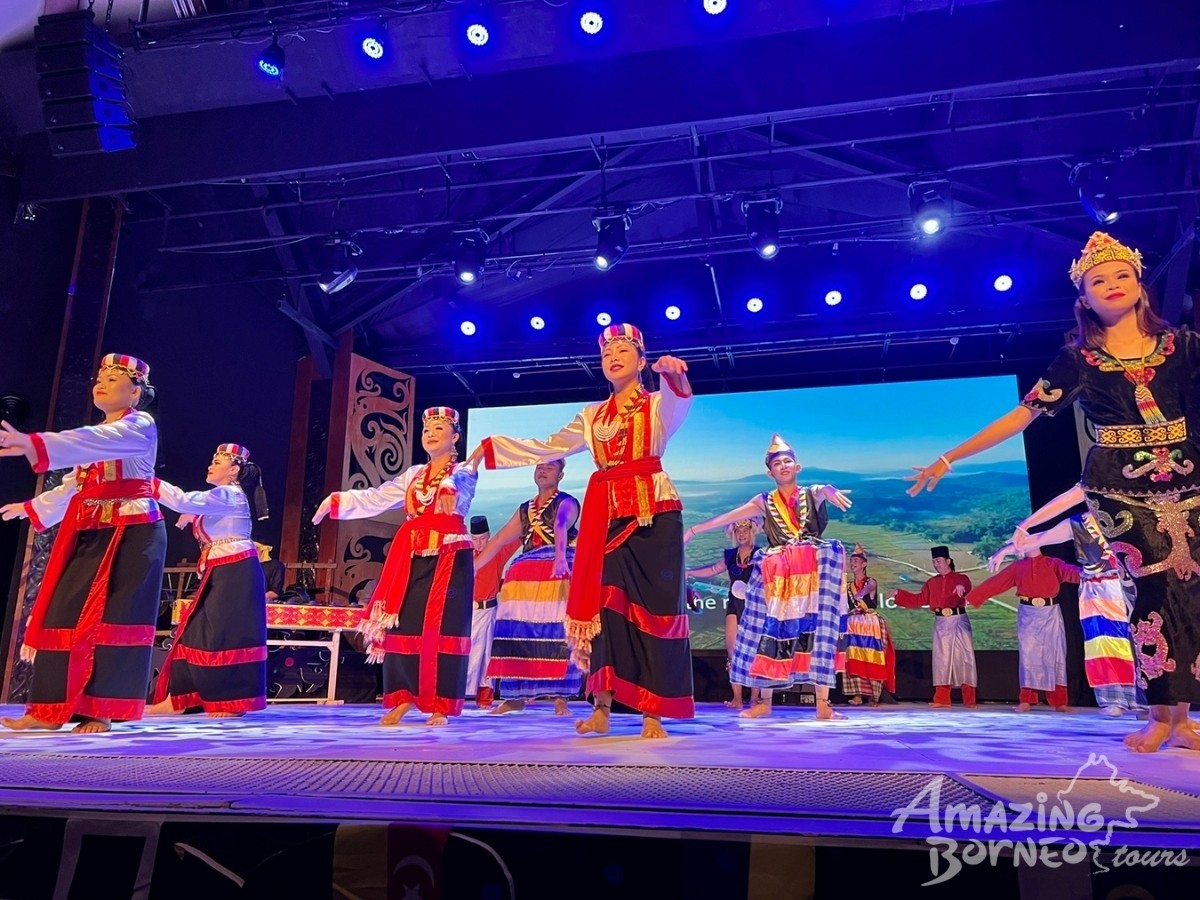
While Gawai remains deeply rooted in longhouse traditions, the festival has also evolved into one of Sarawak’s largest cultural celebrations. Today, Gawai festivities can be experienced not only in rural villages and longhouses, but also in towns and cities throughout Sarawak through cultural showcases, stage performances, concerts, open houses, and heritage events.
At the same time, many families still maintain traditional customs and community gatherings that continue to connect modern Sarawak with its indigenous roots.
This balance between tradition and modern life is part of what makes Gawai such an important cultural celebration in Sarawak today.
Visiting Sarawak During Gawai Harvest Festival
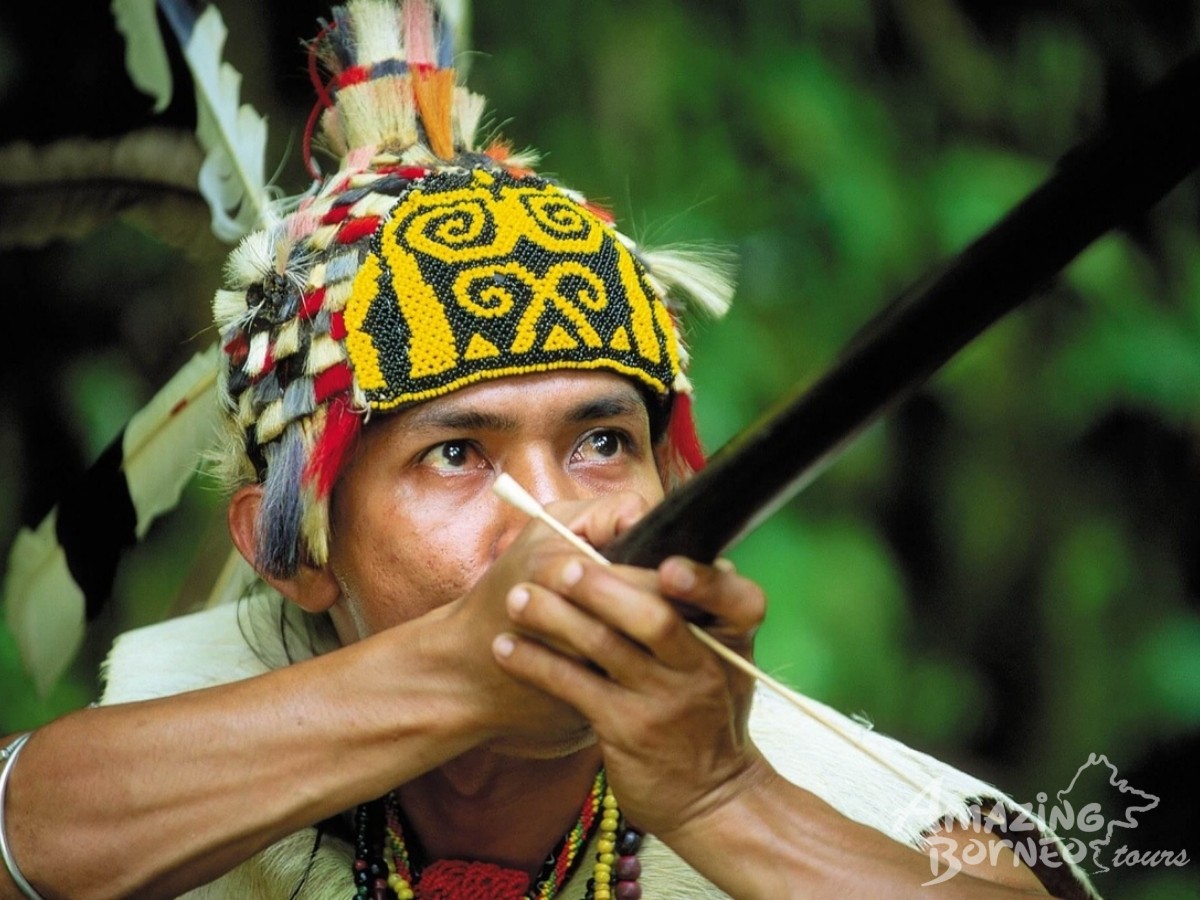
For travellers, Gawai offers a unique opportunity to experience Sarawak’s culture beyond its rainforests, wildlife, and natural attractions.
Depending on where they visit, travellers may experience longhouse celebrations, cultural performances, traditional music and dance, community open houses, indigenous food, and heritage activities held throughout Sarawak during the Gawai season.
Many visitors choose to explore areas such as Batang Ai, Kapit, and other rural parts of Sarawak where longhouse communities continue to play an important role in Gawai celebrations.
As with any cultural celebration, visitors are encouraged to be respectful of local customs and community traditions when attending Gawai events or visiting longhouses.
Celebrating the Cultural Heart of Sarawak
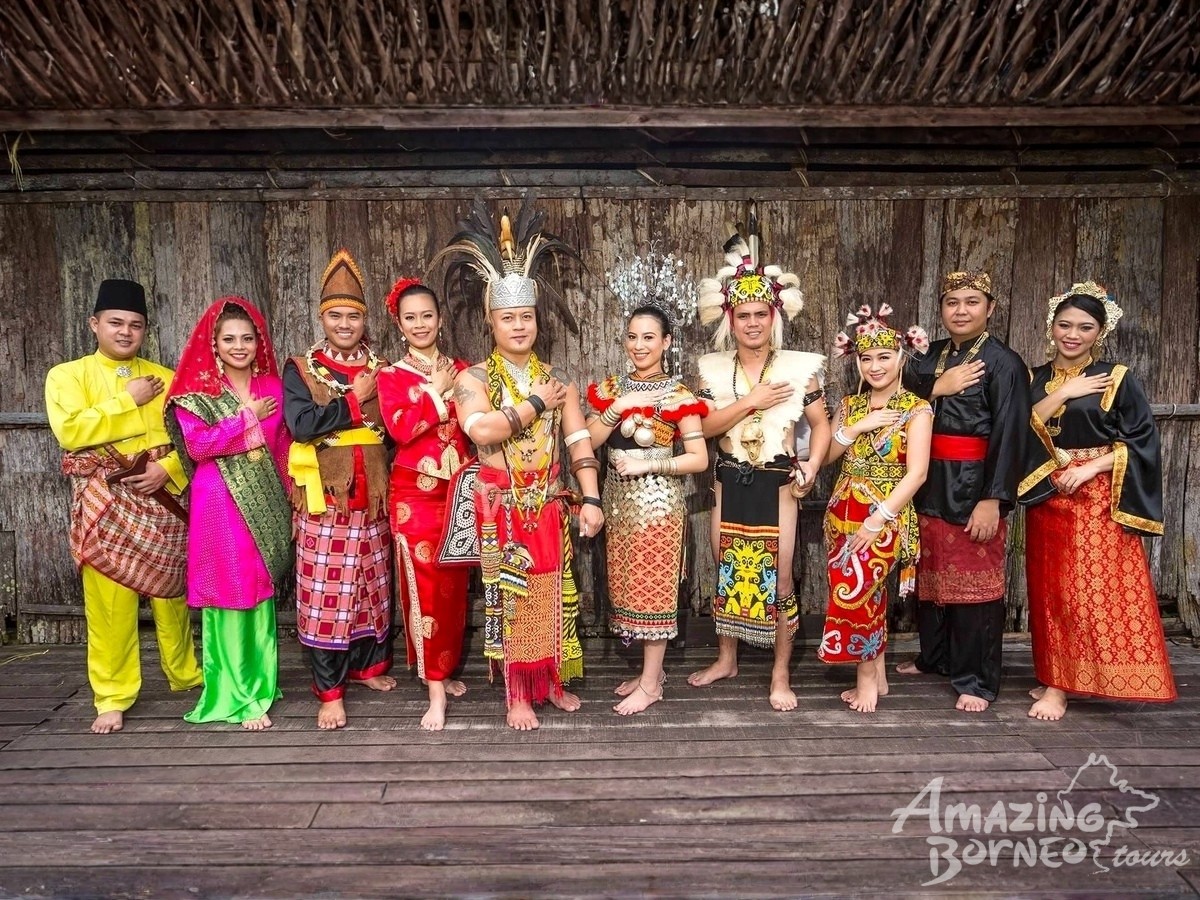
Gawai Dayak is far more than a harvest festival.
It reflects the traditions, hospitality, communal spirit, and cultural identity that continue to shape indigenous life across Sarawak today. Although the festival has evolved over time, its strong connection to family, community, and longhouse culture remains at the heart of the celebration.
For travellers seeking a deeper understanding of Sarawak’s people and traditions, experiencing Gawai offers a meaningful glimpse into the living cultural heritage of Borneo.
Looking to explore the cultural side of Borneo beyond the usual tourist trail? From indigenous traditions and longhouse communities to local food, festivals, and heritage experiences, our team can help you plan a customised journey through Sarawak.
Reach out to us on WhatsApp to start planning your trip.