
.jpg)
When people think of Sabah’s wildlife, the “Big Five" (orangutans, pygmy elephants, proboscis monkeys, sun bears and rhinoceros hornbills) inevitably steal the spotlight. However, beneath the emerald canopy of Borneo’s ancient rainforests lies a micro-wilderness of “Small Wonders” just as vital to the ecosystem as any charismatic megafauna.
From the iridescent shimmer of a Rajah Brooke’s Birdwing to the flattened silhouette of a violin beetle, Sabah is rapidly becoming a premier destination for insect watching and macrophotography.
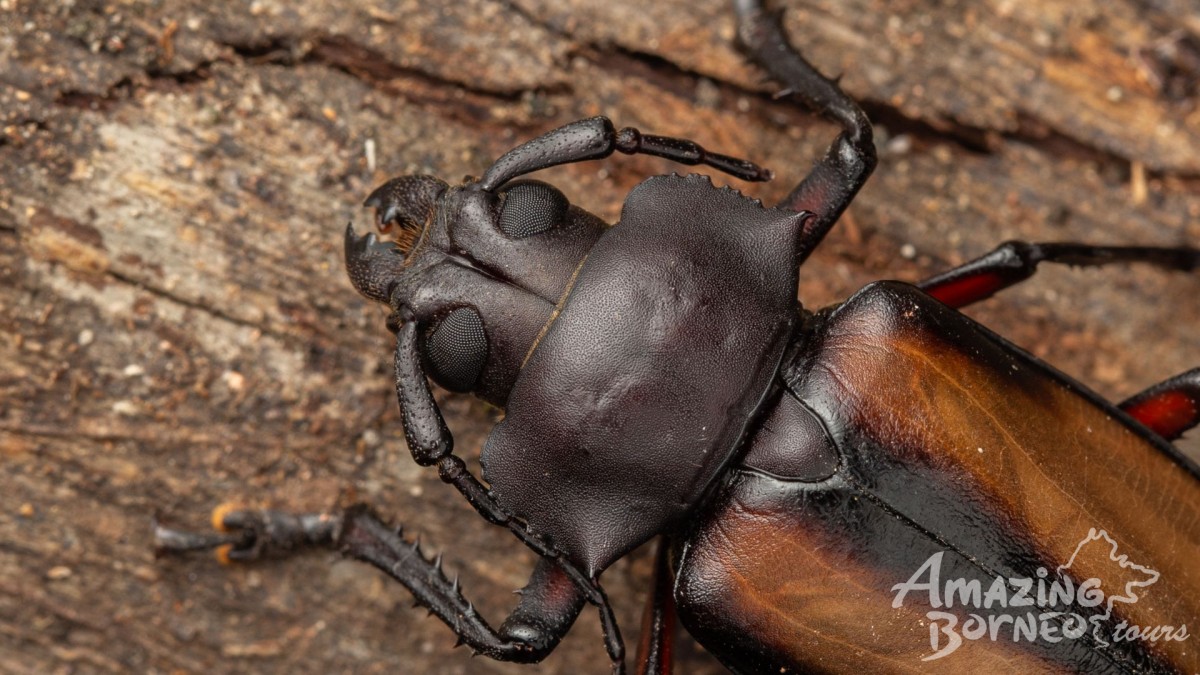
Small Wonders, Big Impact
Insects are the unsung heroes of the tropical rainforest, representing the vast majority of Borneo’s animal species. These miniature powerhouses drive the essential ecological processes that keep the jungle alive: they act as primary pollinators, efficient decomposers and the foundation of the complex food webs that support the larger animals we love. Beyond their biological utility, insects serve as “biological indicators”. Their sensitivity to environmental change makes them valuable tools for understanding forest conditions and climate impacts.
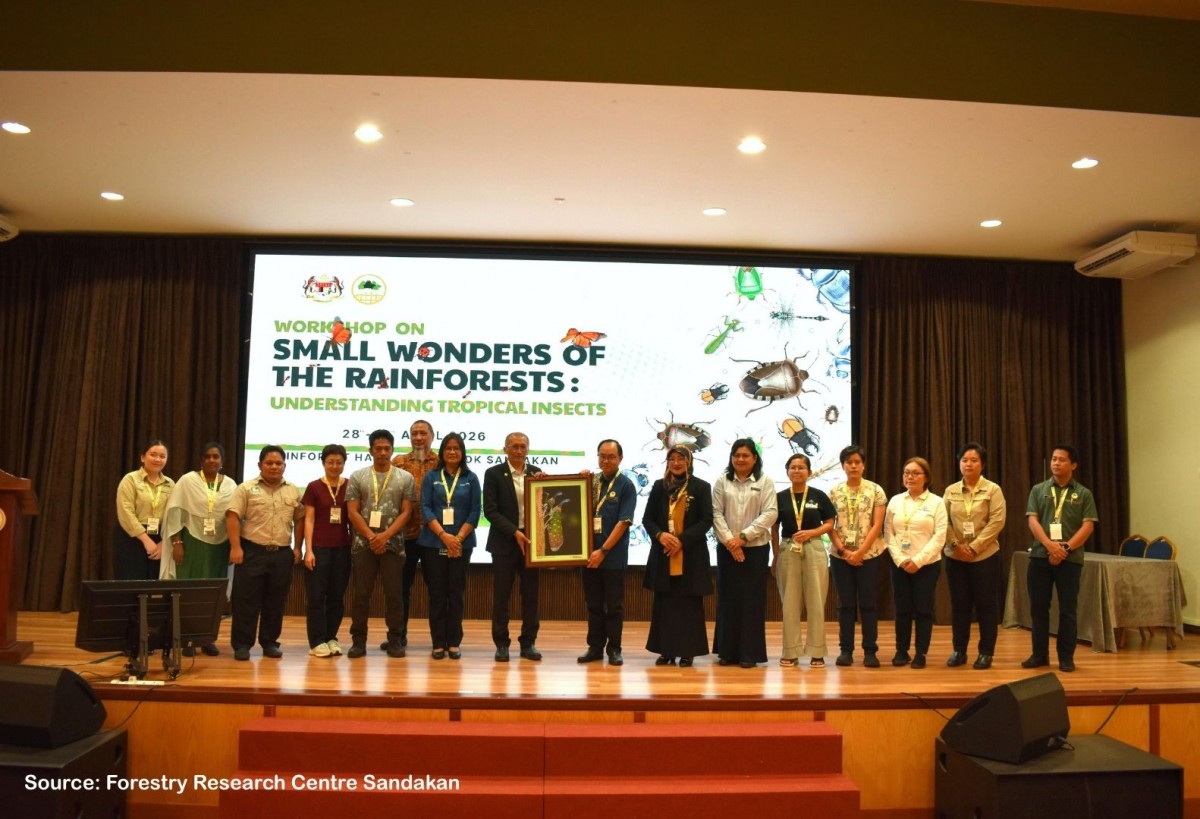
Fostering Awareness: The “Small Wonders” Workshop
Beyond traditional sightseeing, Sabah serves as a premier destination for interactive eco-learning and citizen science. Driven by landmark initiatives like the “Small Wonders of the Rainforests: Understanding Tropical Insects” programs held at the Rainforest Discovery Centre (RDC) in April 2026 in Sepilok, Sabah seamlessly bridges the gap between deep academic research and sustainable nature tourism.
Expert Session
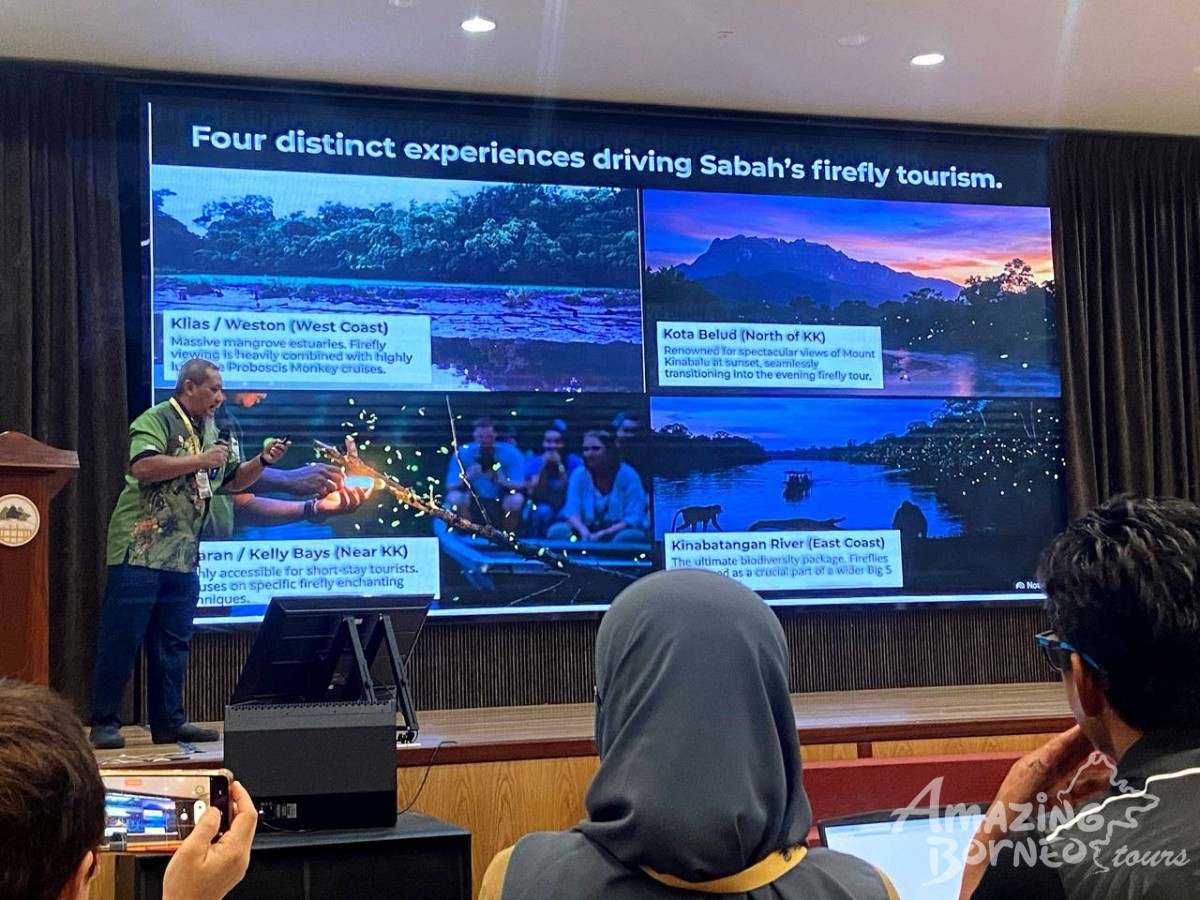
Informative lectures covering the role of insects in sustainable tourism and how NGOs collaborate with local forestry bodies on community-led conservation and outreach.
Specialised knowledge
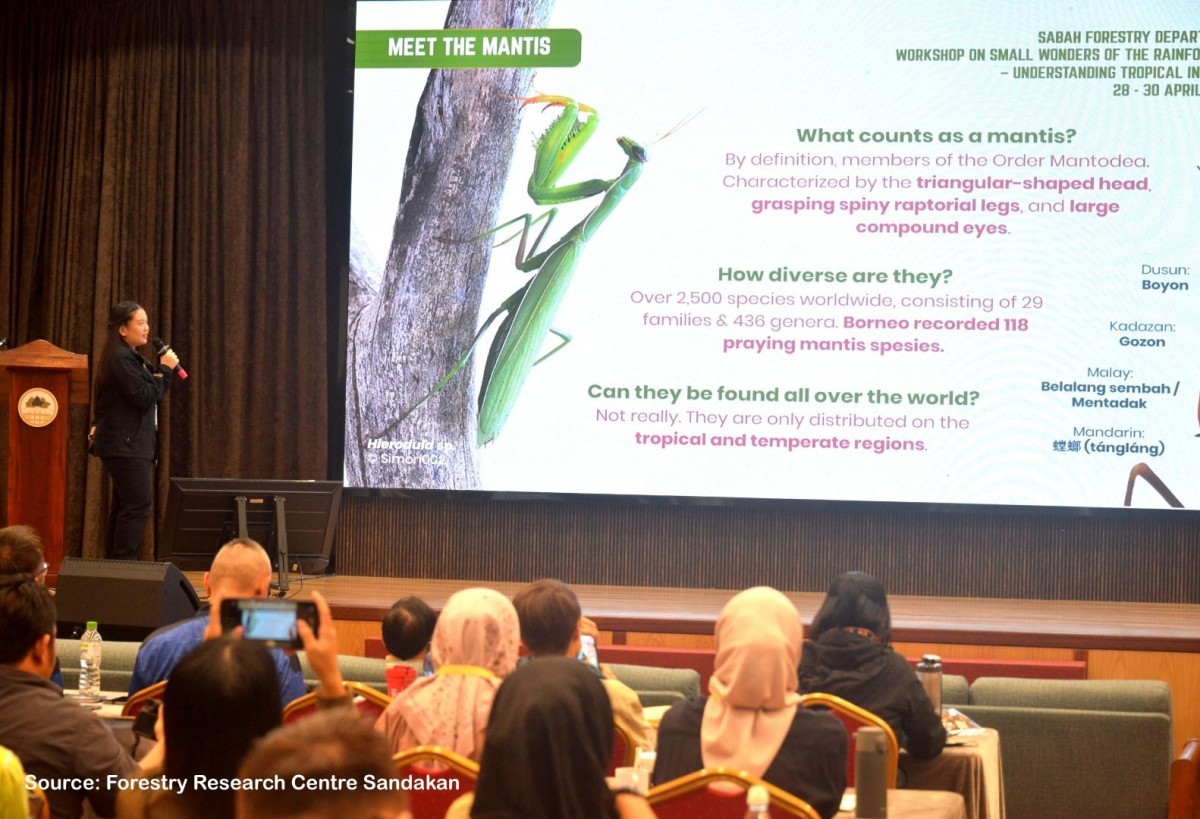
Participants gained deep insights from experts on diverse taxa, ranging from the incredible diversity of Bornean beetles and butterflies to the specialised ecology of dung beetles, termites and predatory insects, such as praying mantises that form the complex understory food web.
Hands-on Experience
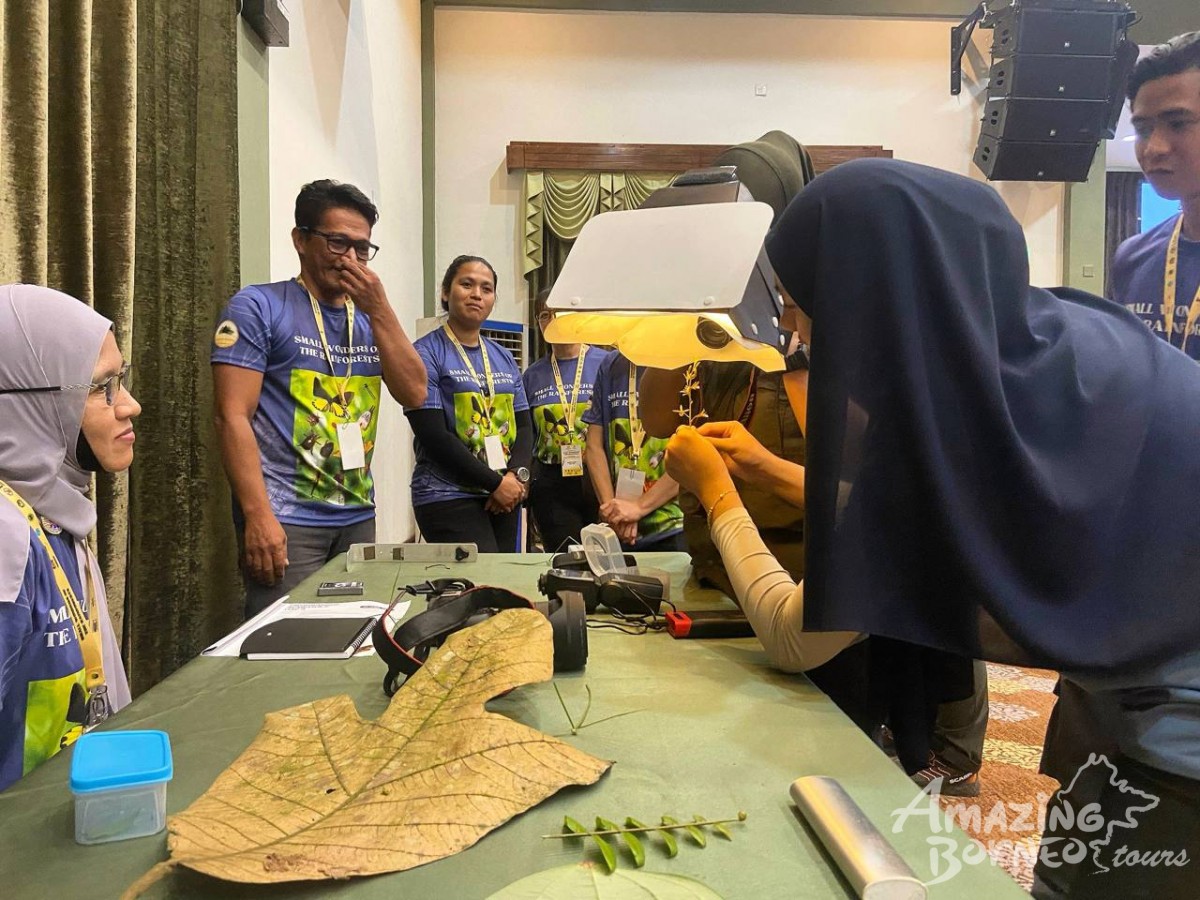
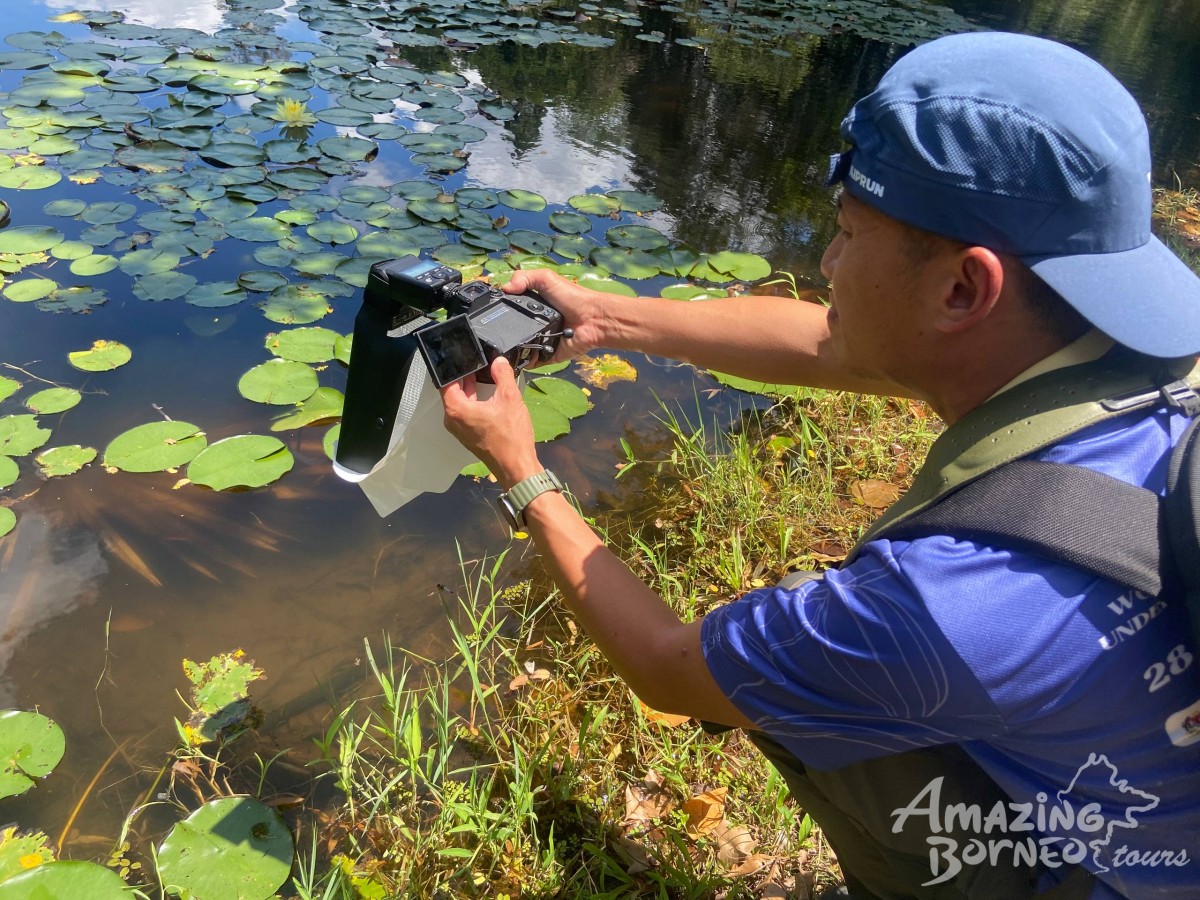
Field sessions dedicated to macrophotography led by renowned experts, allowing participants to capture the minute beauty of micro-wilderness, followed by group activities in the field.
Conservation Programs
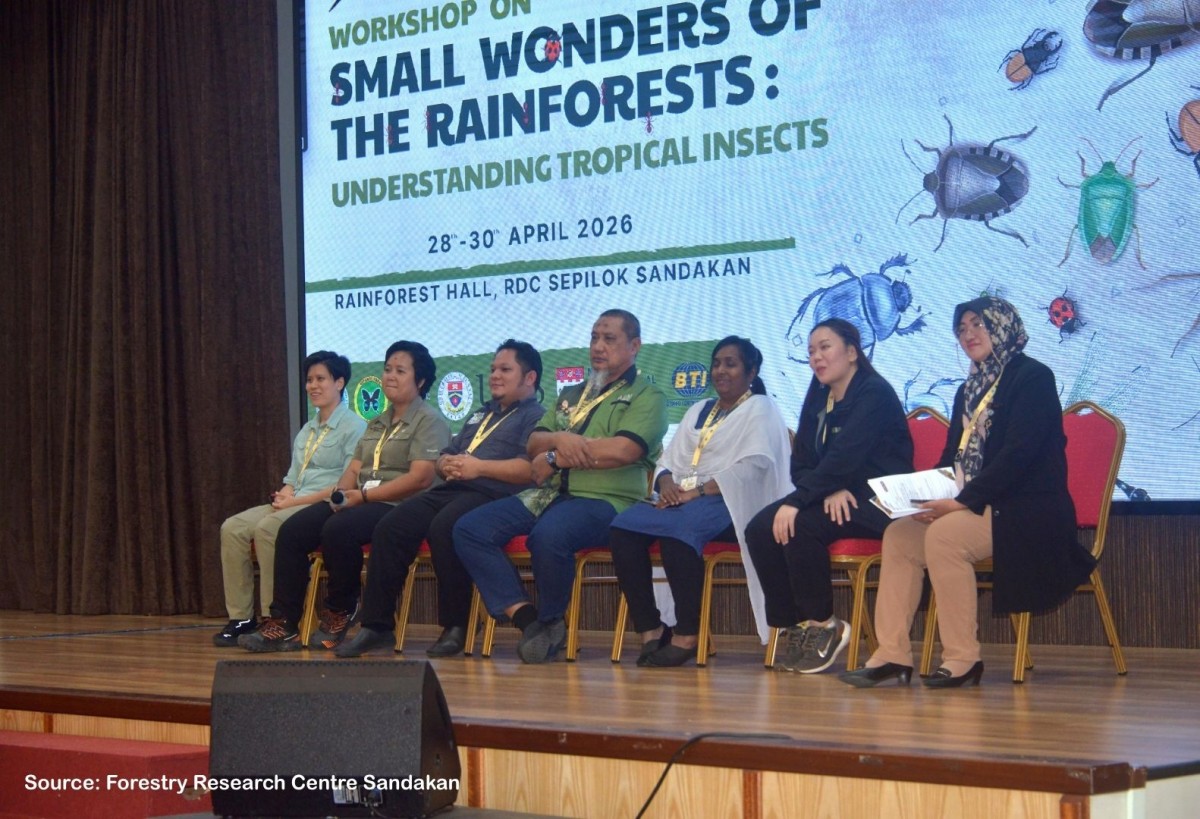
High-level discussions focusing on essential conservation pillars, including habitat protection and restoration, enforcement, policy-making and the ongoing monitoring of ecosystem health.
Networking and Collaboration
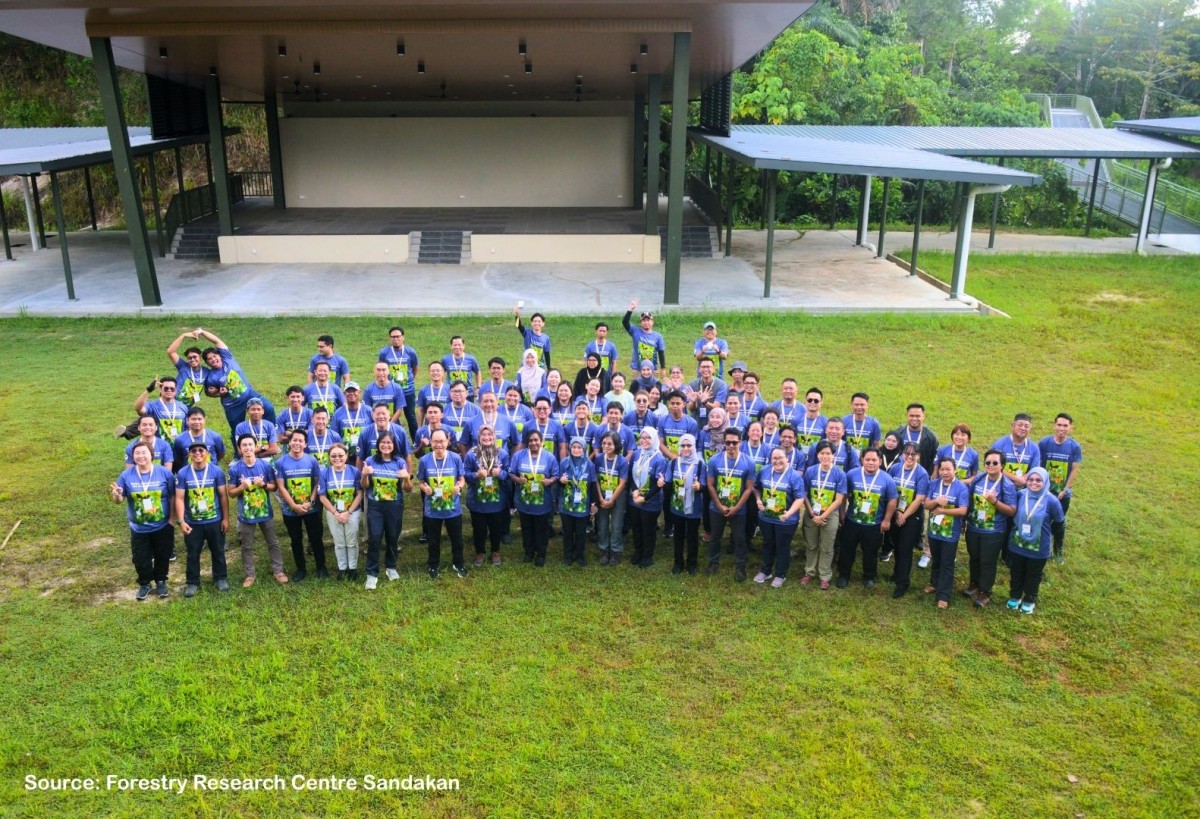
Attendees connected directly with key field experts and decision-makers from the Sabah Forestry Department (SFD), University Malaysia Sabah (UMS), local non-governmental organisations (NGOs) and international bodies like Nanyang Technological University (NTU), creating avenues for joint field studies and student research projects.
Resource Access
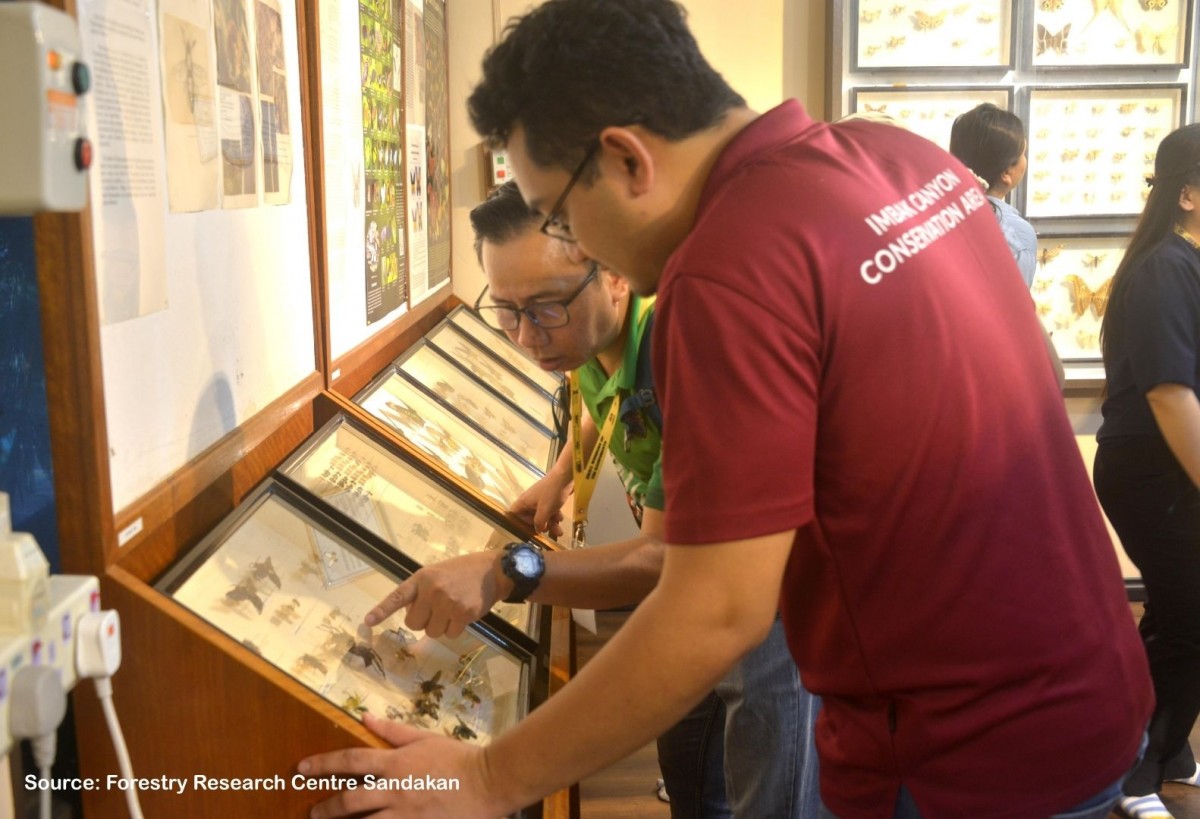
Participants explored world-class scientific facilities, including the Forest Insect Museum, the Forestry Research Centre (FRC) Insect Collection which houses over 180,000 specimens and the Sandakan Herbarium, allowing researchers to study rare reference material and expand their taxonomic knowledge.
Experience the living laboratory firsthand and discover the wonders of RDC with our Sepilok Forest Edge Resort Tour or the immersive Sepilok Nature Lodge Experience!
Why Borneo for Insect Tourism
For nature enthusiasts, Sabah is a literal treasure trove. The diversity found here is staggering, ranging from some of the world’s most unique stick insects to fireflies that play a significant role in local nature tourism.
-
Staggering Taxonomic Diversity: The Bornean rainforest is a diverse ecosystem hosting multiple insect orders. A single dipterocarp tree can host up to 1,000 different insect species.
-
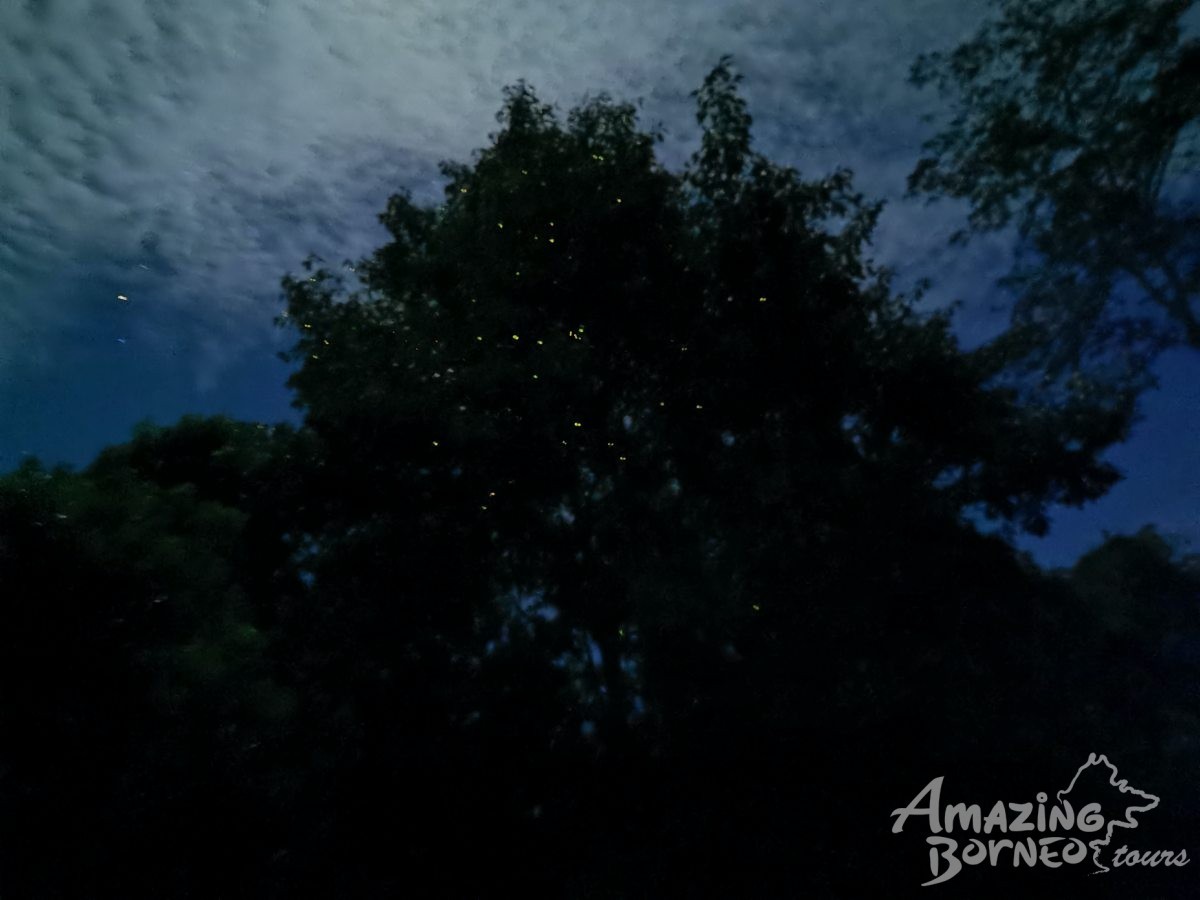
Bioluminescence as an Economic Engine: Firefly watching has become a renewable economic engine for rural areas like Beaufort and Kota Belud, creating direct jobs for boatmen and guides while fostering community pride in natural assets.
-
Flagship Species for Conservation: Much like the orangutan, most insects like dung beetles and fireflies can serve as “umbrella” or “flagship” species, where protecting them indirectly safeguards the entire mangrove ecosystem.
-
A Macro-Photographer’s Dream: The intricate textures of tropical insects provide endless inspiration for photographers.
You can witness nature's Christmas trees light up the mangroves with Amazing Borneo's The Little Kinabatangan River Cruise or the Kawa Kawa River Cruise Adventure Packages.
Sabah’s Living Jewel: The Kinabalu Birdwing
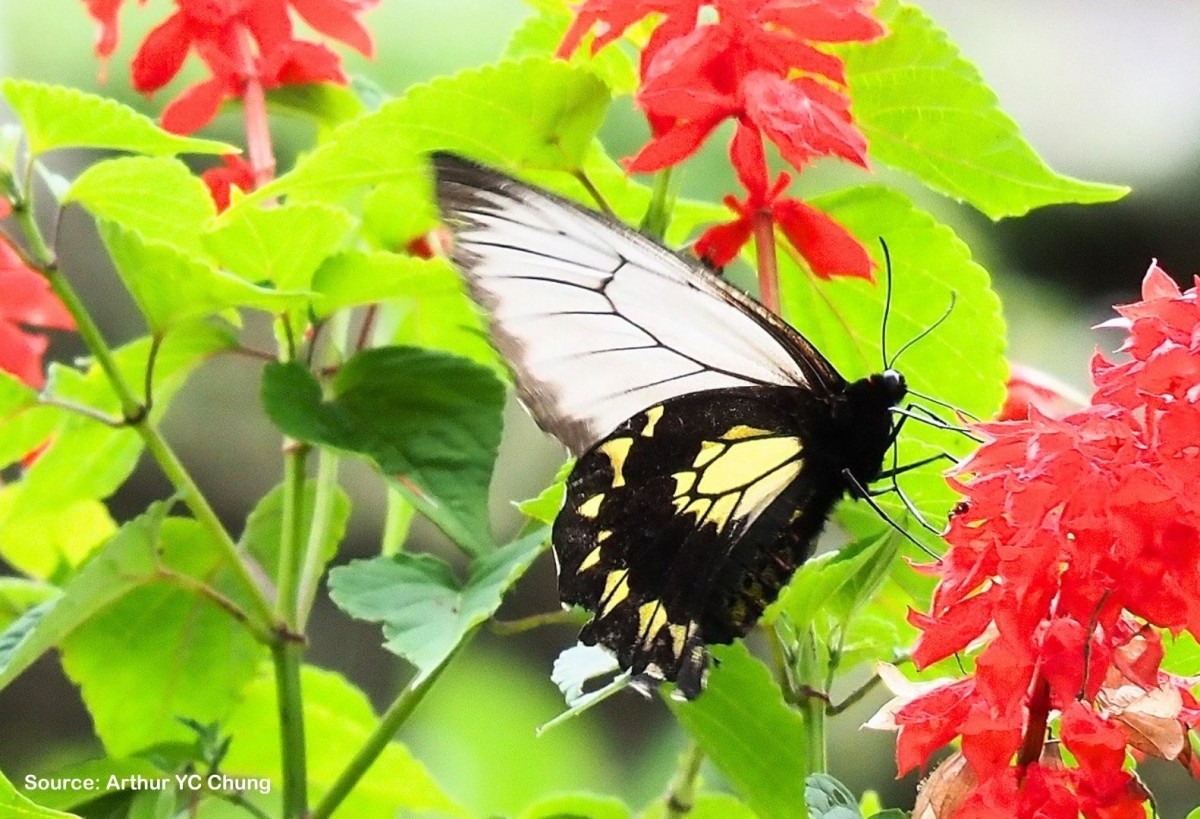
While the Rajah Brooke’s Birdwing holds national status, the highlands of Sabah boast a spectacular jewel of their own: the Kinabalu Birdwing (Troides andromache).
This spectacular butterfly is strictly endemic to the mountain forests of Sabah, meaning it cannot be found anywhere else in the world. It holds a unique place in Malaysian heritage as Sabah is the only state in the country to have its own officially designated state butterfly. Spotting this golden-and-black giant is a “bucket list” experience for lepidopterists.
Track down the legendary Kinabalu Birdwing and discover an array of other unique highland insects on a guided Kinabalu Park & Poring Canopy Walk Tour with us!
The Rise of Entotourism: Growing an Emerging Industry
While Bornean nature tourism is heavily focused on mammals and birdwatching, the concept of entotourism (insect-based travel) represents an exciting, untapped frontier. Moving toward structured “entotrails” and “insect routes” offers immense promise for storytelling, allowing guides to weave fascinating narratives about complex insect lives into the visitor experience.
“Travellers today are increasingly looking for deeper and more specialised nature experiences," said Louisa Lim, Marketing Manager of Amazing Borneo, "While iconic wildlife such as orangutans and pygmy elephants will always be major attractions, insect tourism gives Sabah a fresh way to showcase its biodiversity, through quieter, more observant experiences that help visitors appreciate the ecosystems behind Borneo's natural richness.”
However, the reality on the ground is that dedicated insect tours are still in their infancy. To bridge gap, much more needs to be done. We need active support from tourism boards to market these micro-adventures and comprehensive, standardised training for local nature guides. By building platforms where public education, scientific research and sustainable community livelihoods go hand-in-hand, we can turn Sabah into a globally recognised destination for entomological tourism.
This growth also necessitates clear guidelines to avoid the misuse of habitats or the breaking of rules by tourists unaware of the fragile nature of these species.
Conclusion
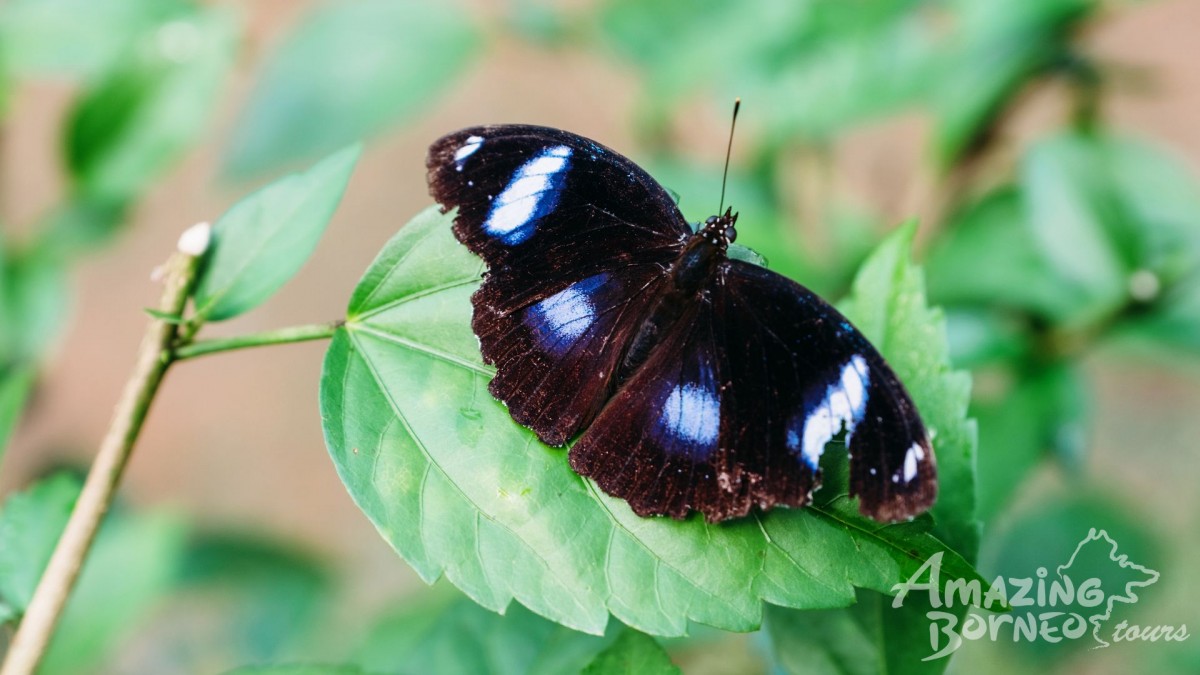
The “Small Wonders” workshop highlights a vital truth: safeguarding the future of Sabah’s spectacular rainforests begins with appreciating its smallest inhabitants. By championing scientific research, education and emerging entotourism, we can protect the delicate ecological web that makes the “Land Below the Wind” a world-class biodiversity haven.
Ready to go beyond the "Big Five" and capture Borneo's unique biodiversity? Chat with us on WhatsApp to lock in your expert-guided nature tour!