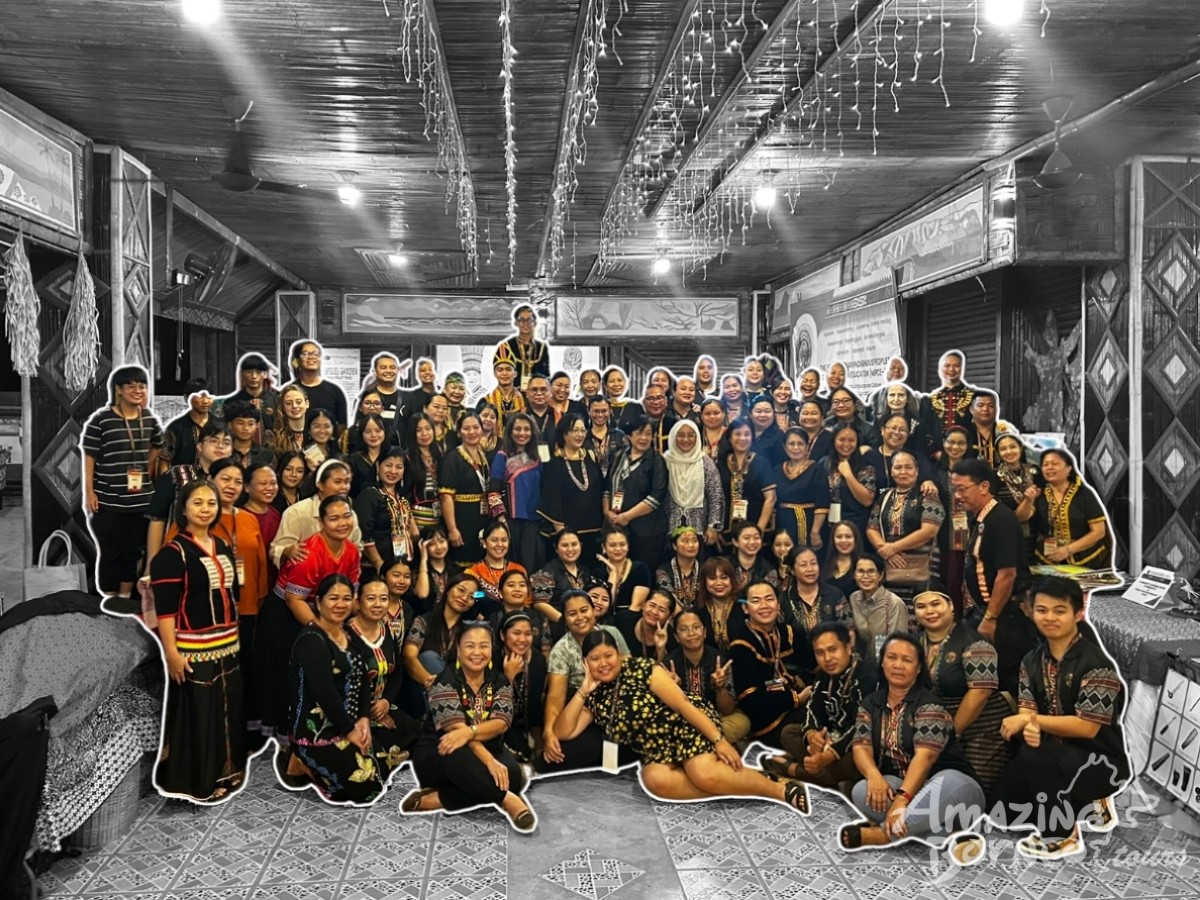
Held from 12–14 December 2025 at J Borneo Native Village, Lok Kawi, the 3rd Malaysian Indigenous Peoples’ Conference on Education (MIPCE 3) brought together educators, community leaders, youth, and practitioners from Orang Asal and Orang Asli communities across Malaysia.
Co-organised by PACOS Trust, Kadazandusun Language Foundation, Borneo Institute for Indigenous Studies, Universiti Malaysia Sabah, UNICEF Malaysia, and the Sabah State Education Department (JPNS), and supported by Indigenous Peoples of Asia Solidarity Fund, Dayak Bidayuh National Association, SIL Malaysia, Lotud Community Learning Centre, Jaringan Orang Asal SeMalaysia, UM Centre for Malaysian Indigenous Studies, and UNIMAS Faculty of Education, Language, and Communication, MIPCE 3 served as a national platform for Indigenous educators and community practitioners to exchange learning practices and reflect collectively on education grounded in language, culture, and lived community experience.
Over three days, the conference offered a grounded view of how Indigenous community-based education is being designed, delivered, and sustained in village contexts, particularly in communities where access to early childhood education has historically been limited. Through workshops, exhibitions, shared cultural spaces, and collective reflection, MIPCE 3 highlighted education not as an abstract ideal, but as lived practice shaped by language, culture, and community knowledge.
Education in Practice: Learning Materials Created by Teachers, for Their Classrooms
Day 2 of the conference focused on capacity-building workshops for educators working in community learning centres and village-based schools.
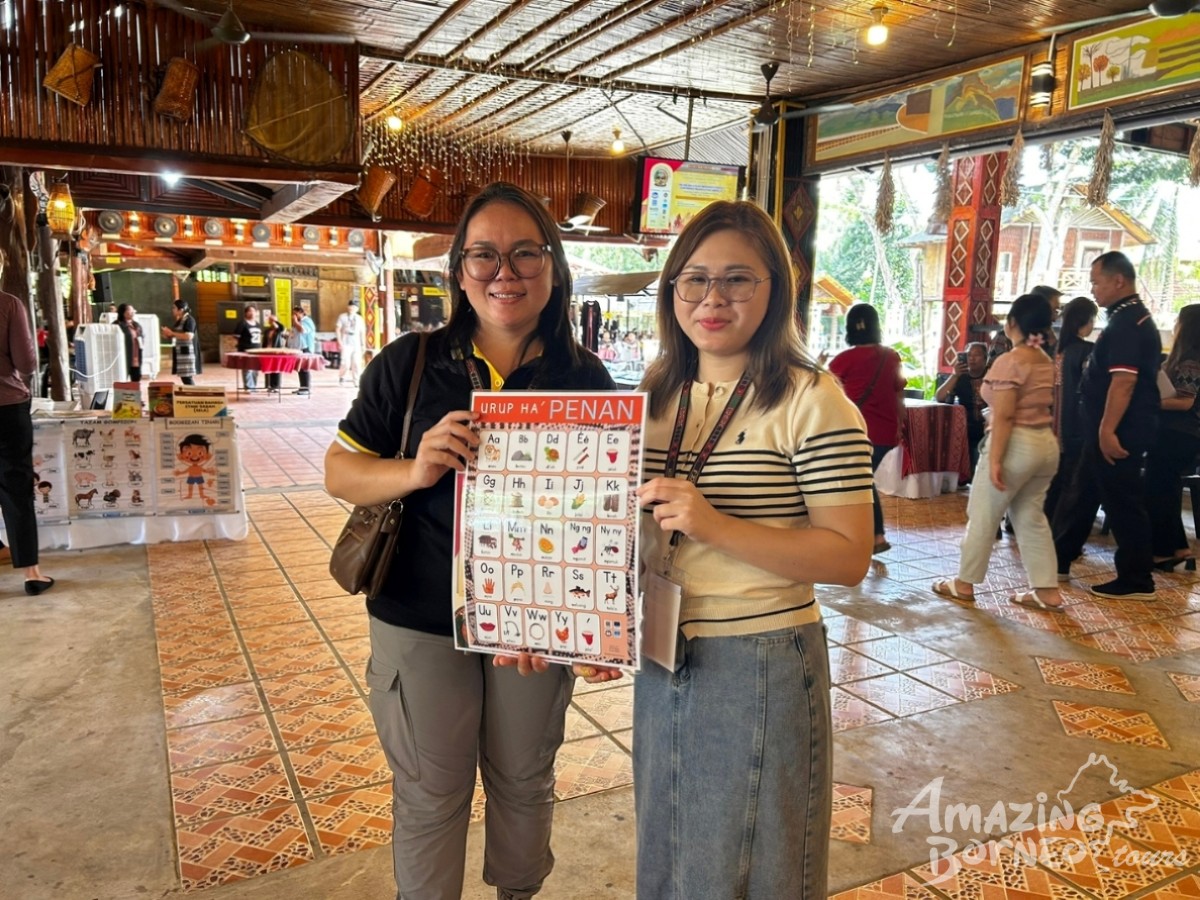
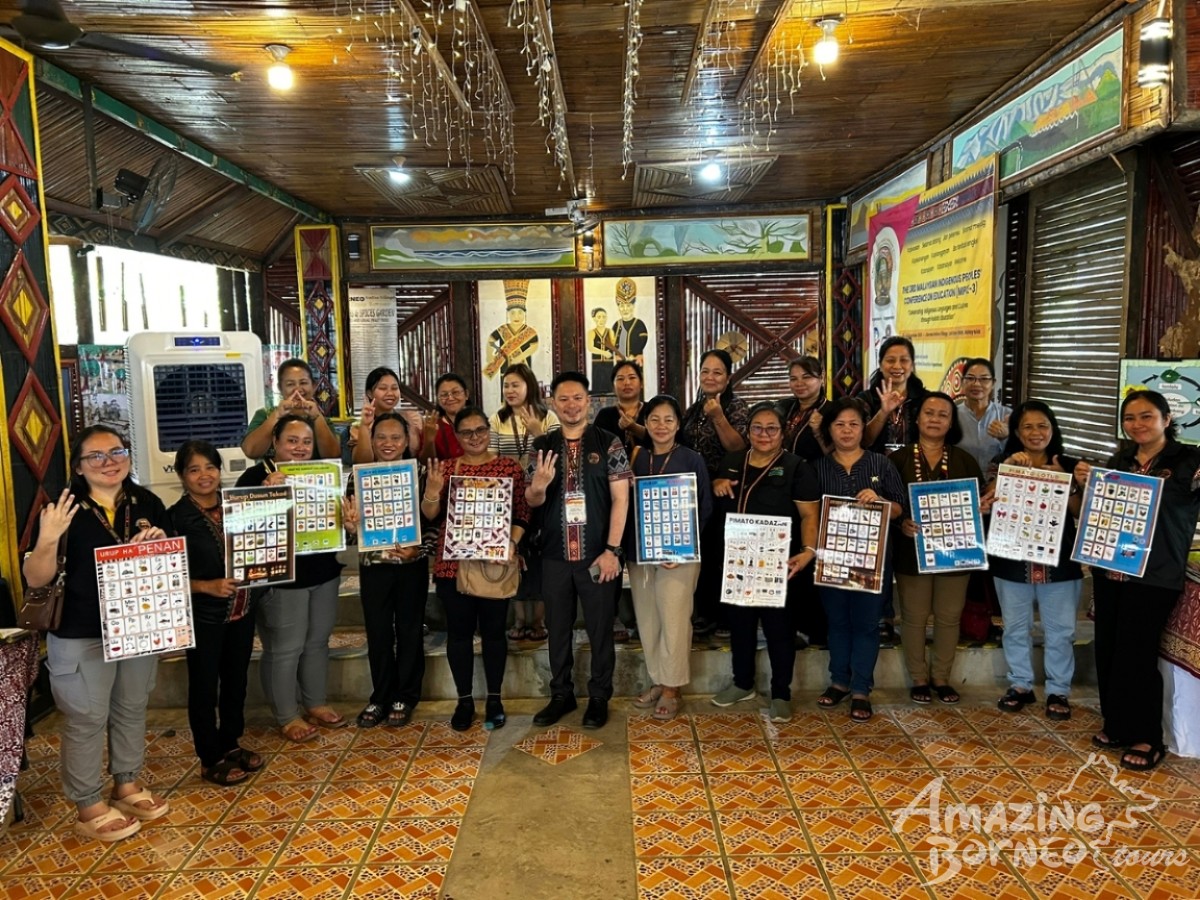
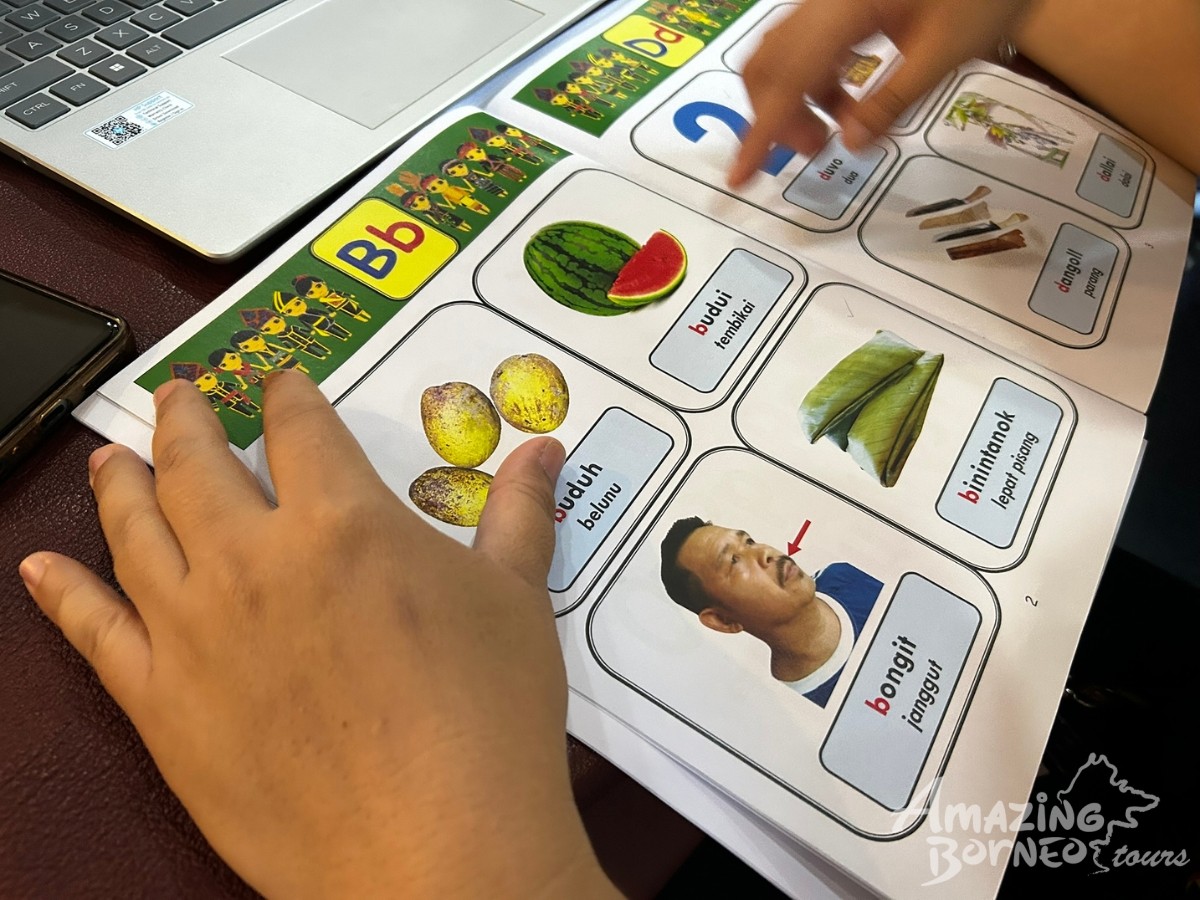
One of the most hands-on sessions was the alphabet poster workshop, led by Mr. Joemin Maratin (SIL Malaysia), where teachers collaboratively designed classroom materials in their own mother tongues. Posters were created in 14 Indigenous languages and dialects, highlighting the depth and regional diversity of Malaysia represented at the conference.
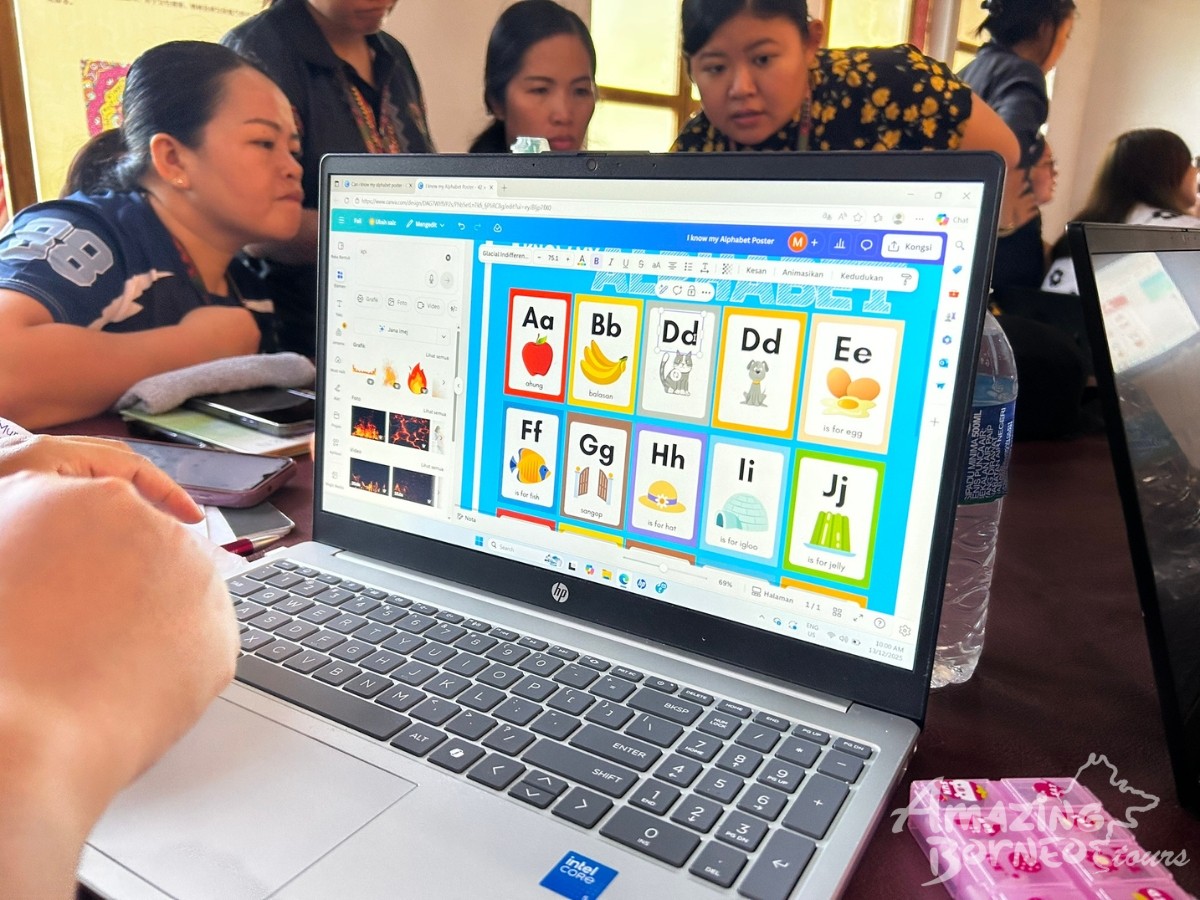
Languages documented during the workshop included Kadazan, Dusun Lotud, Dusun Bundu, Dusun Takad, Dusun Llivogu, Dusun Tindal, Rungus, Murut Paluan, Sungai Makiang, Sungai Kalabuan, Bonggi, Penan, Bidayuh Biatah, Bidayuh Bau, and Semai.
Beyond literacy, participants were encouraged to incorporate local motifs, cultural references, and familiar symbols into their designs. As a result, the posters functioned not only as learning tools but also as visual representations of identity, documenting language and culture together in materials children encounter daily in their classrooms.
The workshop was practical and immediately applicable. Teachers learned how to structure clear, effective posters while developing skills they could adapt for future learning materials. Many left with completed resources, templates, and design approaches they could continue refining within their own teaching contexts.
Other workshops explored education through complementary lenses. A strengths-based education session, facilitated by Dr. Ho Sook Wah (Yayasan Gamuda), emphasised reflecting cultural identity within community syllabuses, recognising learners’ languages and backgrounds as assets, rather than deficits within both community-based and formal learning environments.
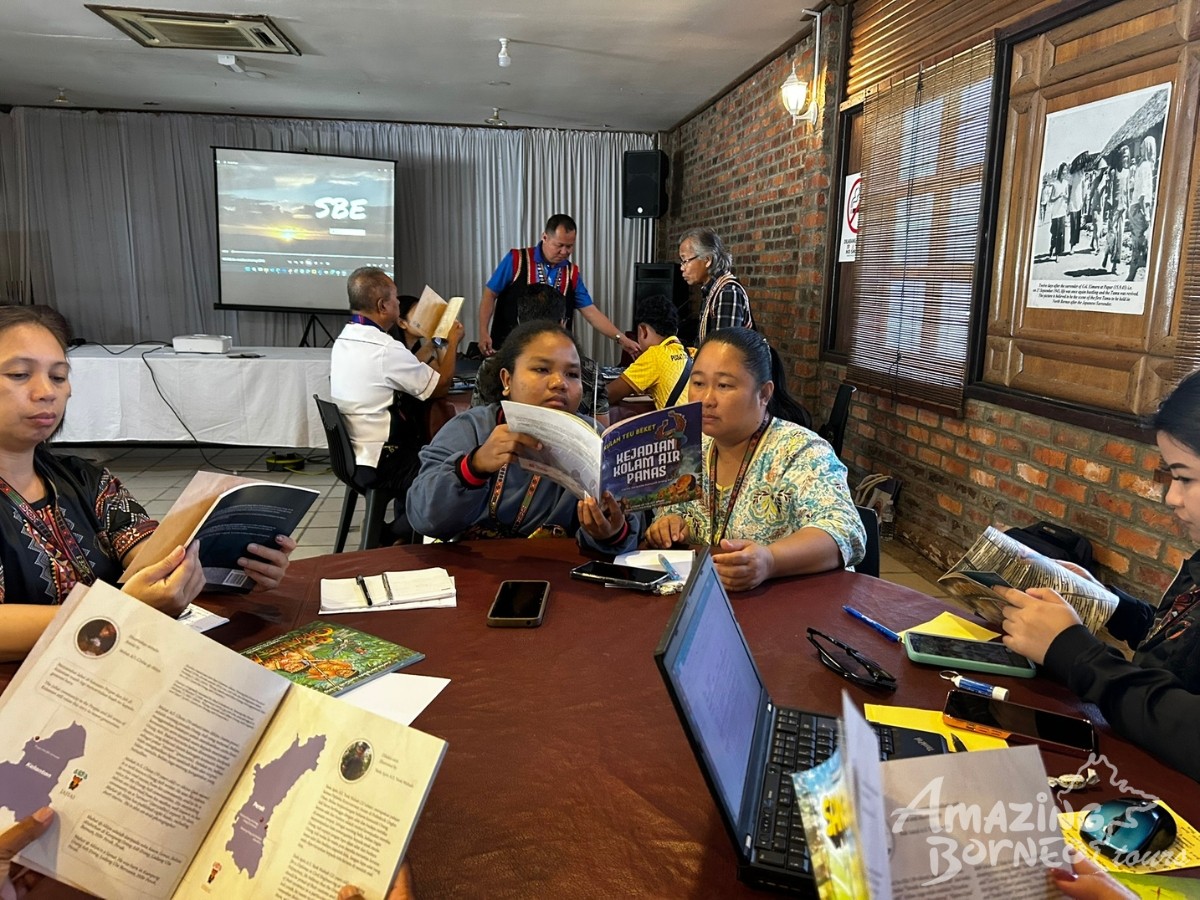
In the ethnomusic workshop, led by Mdm. Sylvia Poit (Lotud Community Learning Centre), participants collaborated to create songs in Indigenous languages, working collectively to explore how music can support language learning, memory, and intergenerational transmission within their communities.
Alongside that, a session on traditional costumes and motifs, facilitated by Datuk Joanna Datuk Kitingan (KDCA Women Council), focused on the meanings behind designs and patterns, situating cultural knowledge as an integral part of education. Participants discussed how learning about traditional attire and motifs from a young age helps lay a foundation for understanding ethnic identity, heritage, and belonging.
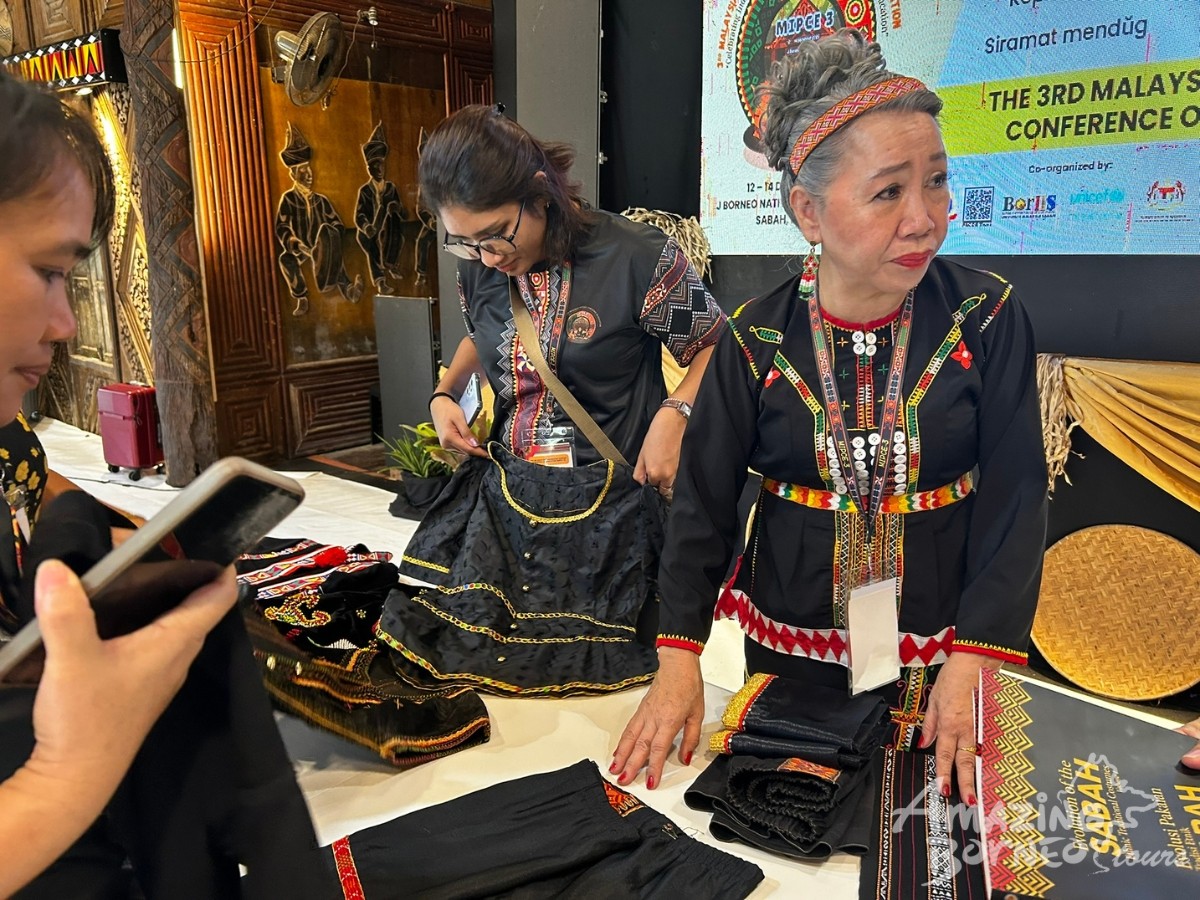
Across these sessions, education was consistently framed as contextual, intentional, and deeply connected to identity.
Despite the diversity of languages, communities, and educational contexts represented, a shared sense of purpose was evident throughout the conference. Across workshops and discussions, participants consistently returned to the importance of education rooted in language and culture, reflecting a collective commitment to strengthening learning systems that serve both present needs and future generations.
Learning Beyond the Classroom: The Exhibition and Community Market
Running alongside the conference was the MIPCE 3 exhibition and community market, offering another perspective on how education, culture, and livelihoods intersect in Indigenous communities.
The exhibition featured learning materials used by community-based educators, including children’s books in native languages, flash cards, teaching aids, Indigenous calendars, and locally developed classroom tools. These materials reflected the same principles discussed in the workshops: learning grounded in language, place, and lived experience.
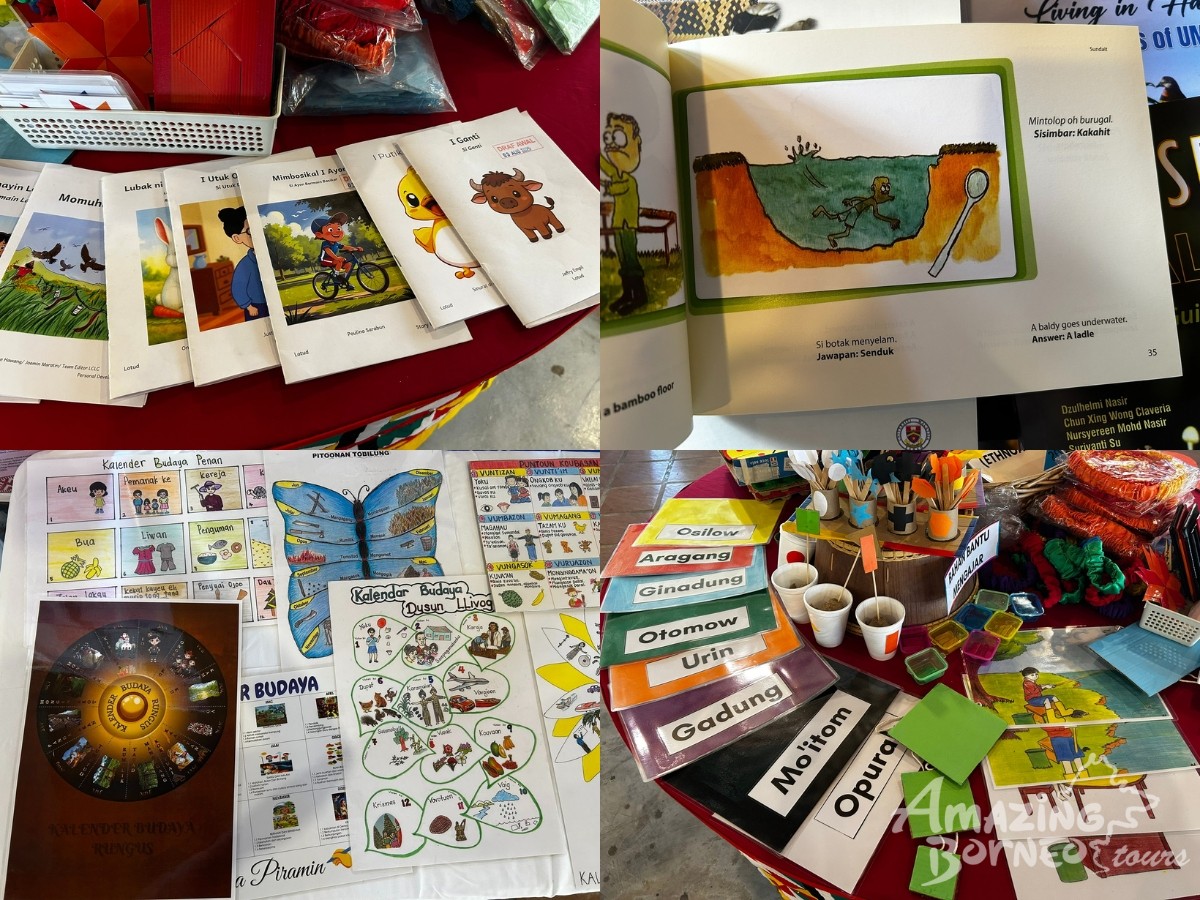
Some of the resources on display also showed how community educators are selectively adopting digital tools to support their work. Short animated video stories were showcased, developed from village narratives through earlier workshops facilitated by the Lotud Community Learning Centre, where participants were introduced to using AI-assisted image and video generation to bring their stories to life. The stories themselves remained community-authored, while the technology helped reduce the time, cost, and technical barriers involved in creating engaging visual materials.
In a similar vein, audio stories documenting Indigenous songs and oral histories, produced during a recent audio storytelling workshop, were also featured in the exhibition. Together, these resources illustrated how educators are combining traditional storytelling with accessible digital tools to create culturally grounded materials that resonate with today’s learners.
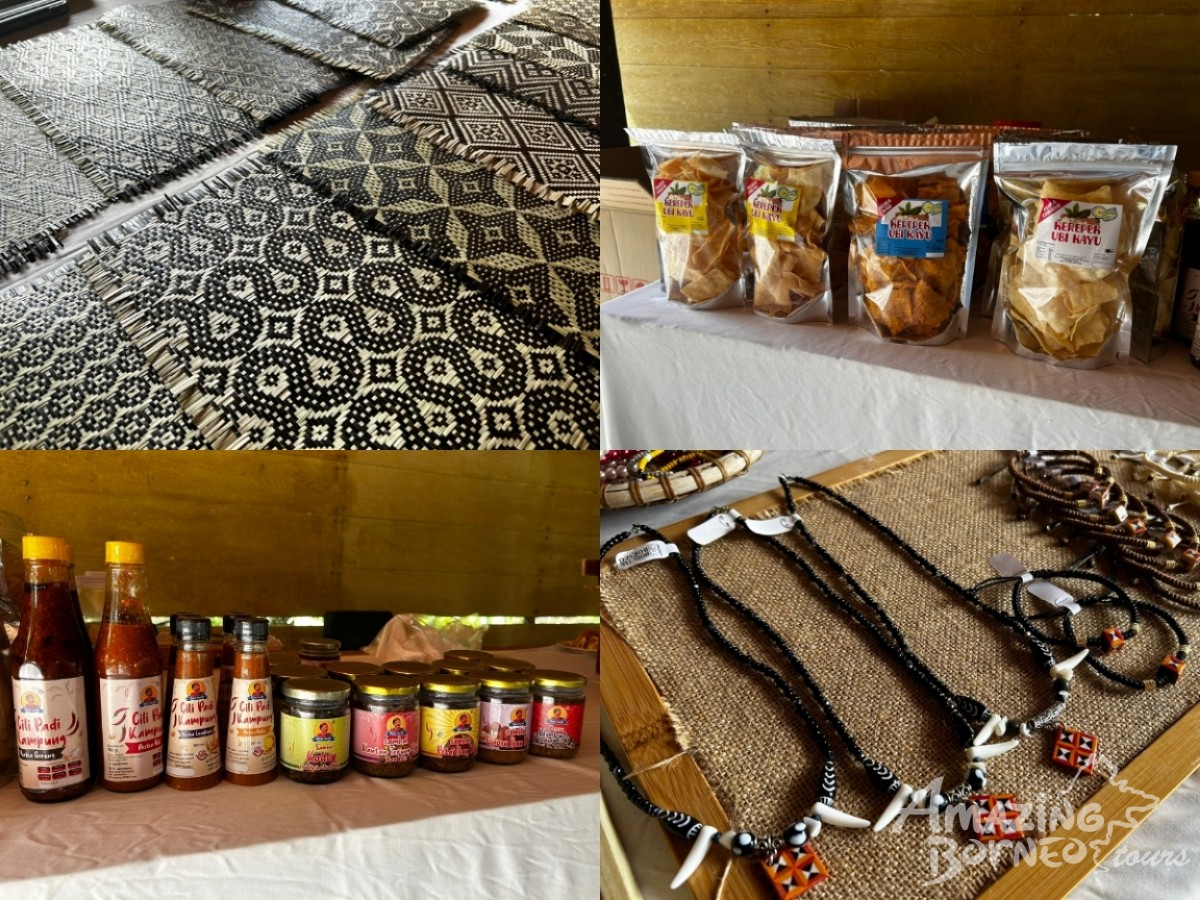
At the community market, visitors encountered a wide range of locally made products rooted in traditional knowledge and skills. These included woven mats, bags, and baskets; jewellery and accessories inspired by local motifs and traditional designs; books on Indigenous communities, stories, and folklore; as well as food and produce such as kerepek ubi kayu, tuhau, bosou, village honey, and herbal powders made from ginger, turmeric, and moringa.
Together, the exhibition and market illustrated how education extends beyond formal lessons, supporting cultural continuity, livelihoods, and local economic sustainability.
Solidarity Night: Learning Through Shared Experience
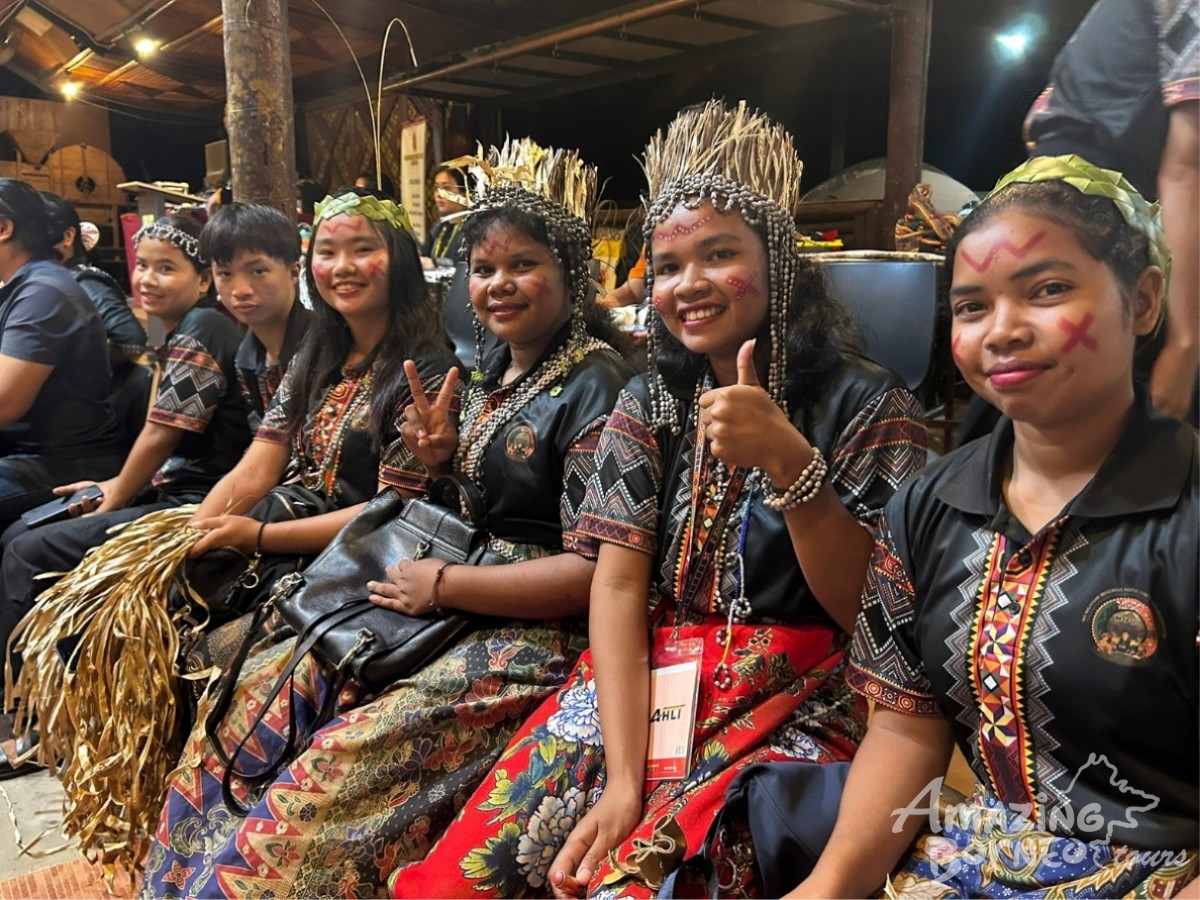
On the evening of Day 2, participants gathered for Solidarity Night, a relaxed and informal session that many found deeply meaningful.
Communities shared dances, songs, and cultural expressions, often inviting others to join in. Rather than feeling like a performance or showcase, the night unfolded as a space of mutual exchange. There was little sense of hierarchy or formality, and learning happened naturally through participation and conversation.
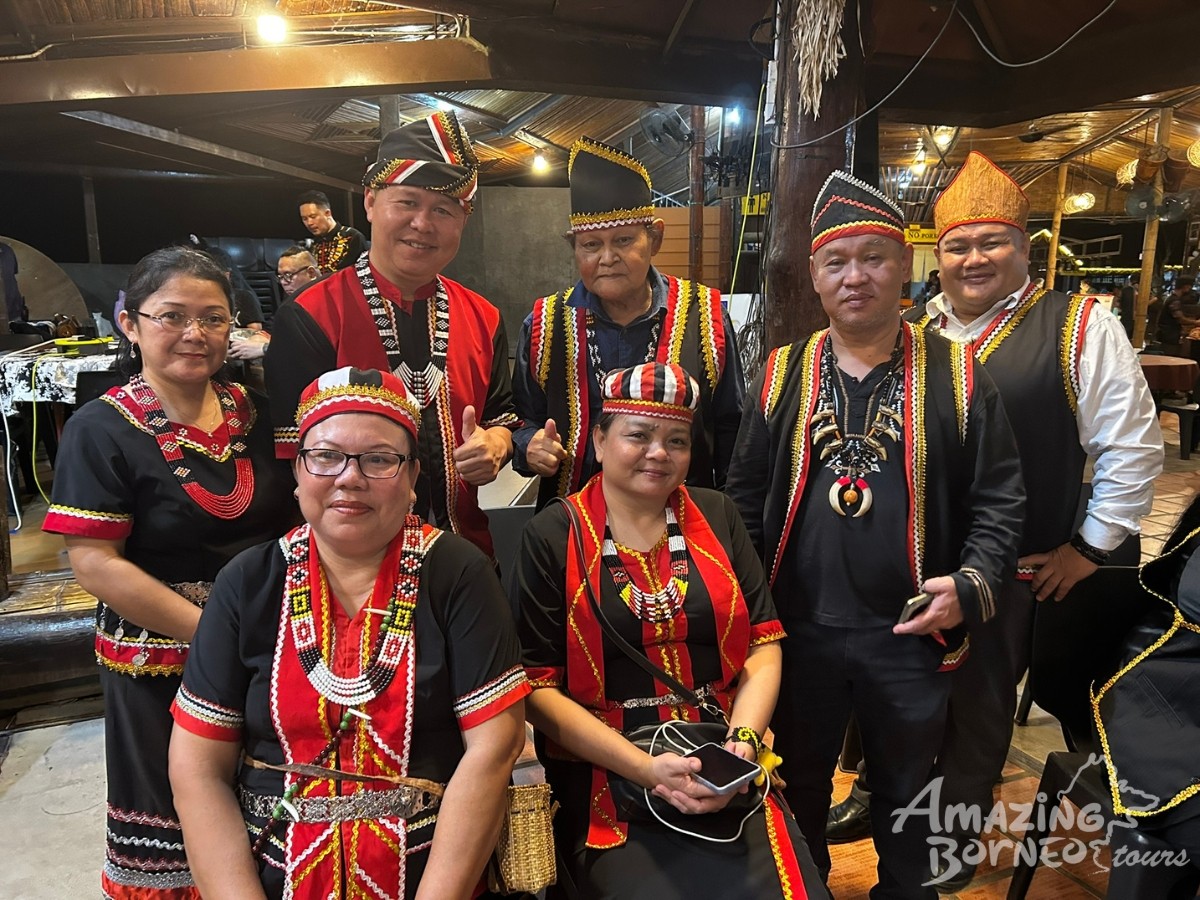
In this setting, cultural knowledge was shared without pressure or expectation, reinforcing the idea that learning does not always require structured formats. Sometimes, the most meaningful exchanges occur simply when people come together on equal footing.
Consolidating Shared Positions on Indigenous Education
The final day of MIPCE 3 culminated in a collective review of the Draft Resolution of the 3rd Malaysian Indigenous Peoples’ Conference on Education, a formal document developed to articulate shared positions and priorities around Indigenous education in Malaysia.
Resolutions of this nature serve an important role. They consolidate lived experiences, educational realities, and collective aspirations into a structured reference that can be submitted to and considered by relevant authorities, institutions, and stakeholders involved in education policy and implementation. For this reason, the drafting and review process was facilitated by legal practitioners to support clarity, precision, and accountability.
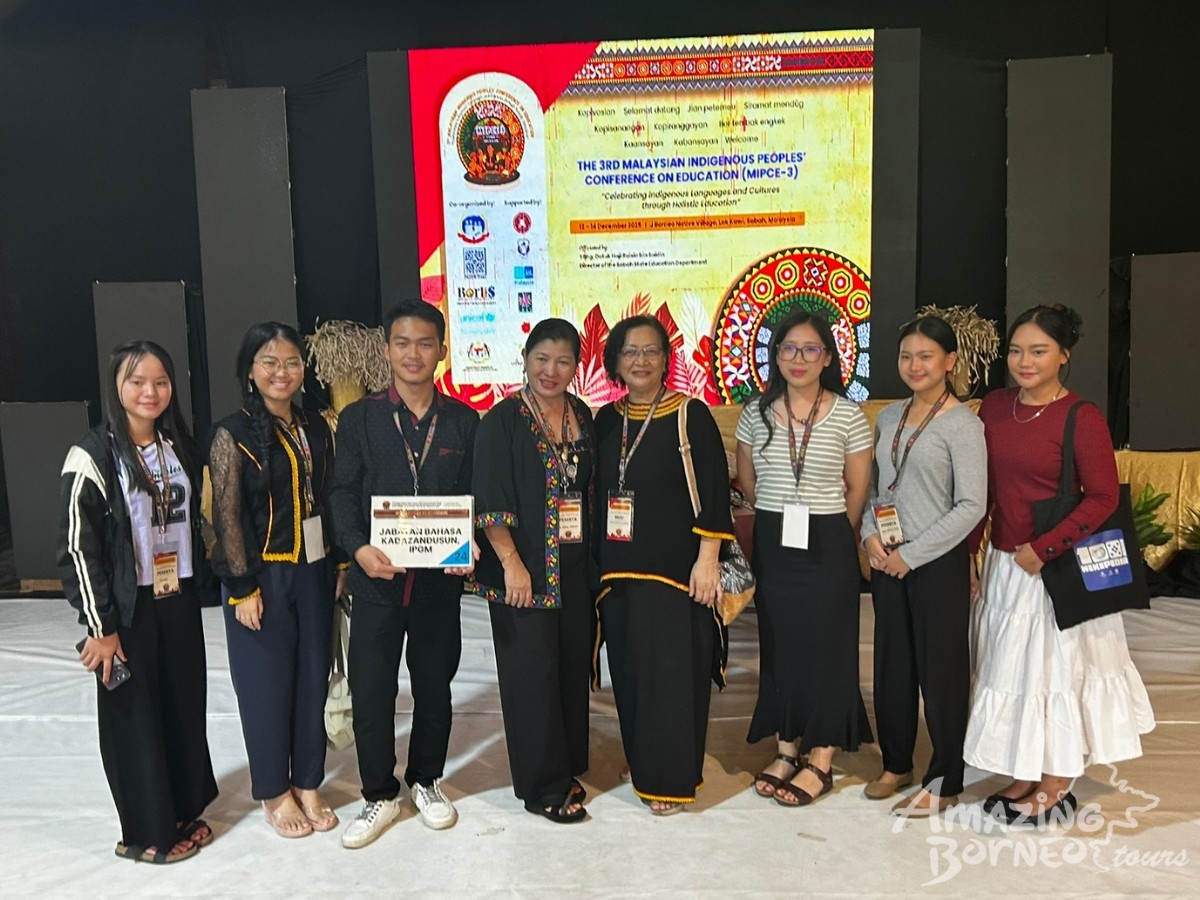
During the session, Orang Asal and Orang Asli educators and community advocates contributed directly to refining the draft. Discussions focused on clear definitions, inclusive representation, and ensuring the language reflected the realities of community-based and village-based education systems. The process was deliberate and reflective, grounded in practice rather than abstraction.
Once finalised, the resolution will be consolidated as a shared reference and circulated among relevant institutions and stakeholders as part of ongoing dialogue on Indigenous education and language-based learning in Malaysia.
Language, Identity, and the Role of Education
Underpinning many conversations at MIPCE 3 was a shared vision for the continuity of Indigenous languages. For many communities, education is not only about academic readiness but about ensuring that children grow up fluent in the language of their elders, stories, and worldview.
Community-based education plays a critical role in this effort. By teaching and creating learning materials in mother tongues — through books, songs, audio stories, and digital media — educators are actively strengthening language use in everyday contexts. These practices support language continuity not as an abstract goal, but as a lived part of childhood, learning, and community life.
Community-Based Education and Long-Term Impact
Throughout the conference, a broader picture emerged of how community-based education has shaped outcomes in many rural settings.
Before the establishment of community learning centres, children in some communities entered primary school without access to early education, often struggling with literacy, numeracy, and confidence. Over time, these gaps led some to disengage from schooling altogether.
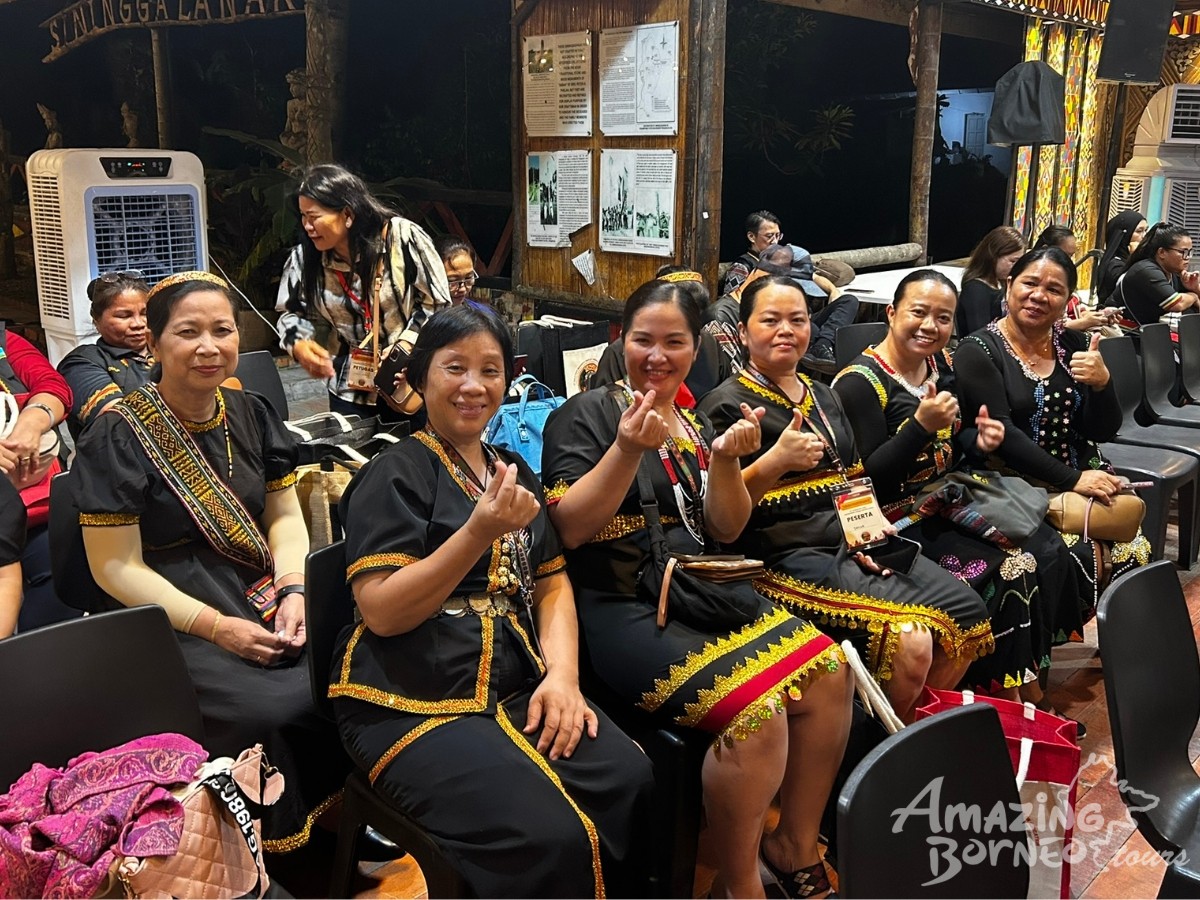
Participants shared how community-based education has helped address these challenges by providing early learning in familiar languages and cultural contexts. Children now enter formal schooling more prepared and confident, with a stronger sense of identity alongside academic readiness.
Notably, some of the educators present at MIPCE 3 were themselves former students of such community-based schools. Inspired by their teachers and mothers, they have gone on to become educators, continuing the work within their own communities. Their presence spoke quietly but clearly to the long-term impact of these education systems.
Education Already Taking Shape
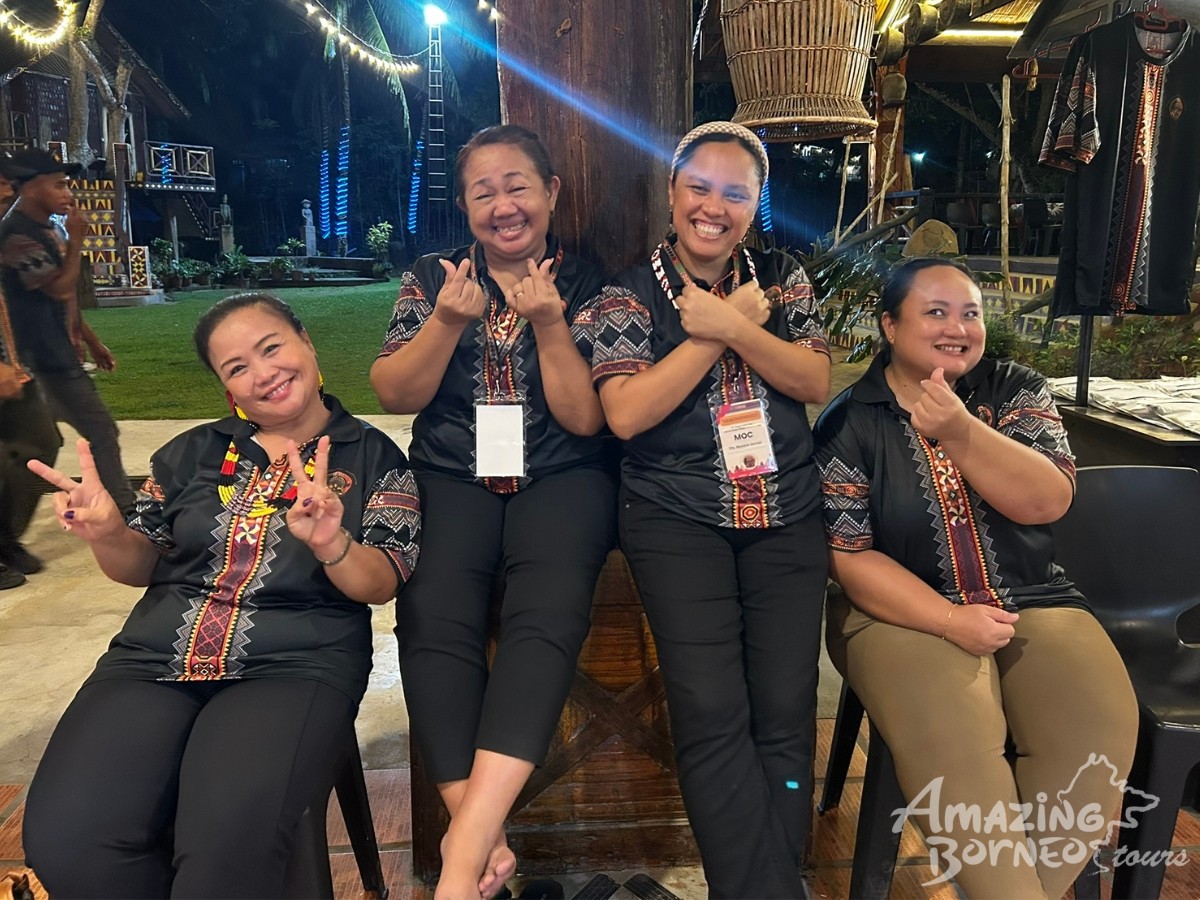
MIPCE 3 did not present Indigenous education as a distant aspiration, but as something already taking shape through daily practice, shared knowledge, and sustained community effort.
Across classrooms, workshops, markets, and reflective dialogue, the conference highlighted educators who are designing materials, teaching in native languages, supporting livelihoods, and nurturing learners who move confidently between community-based and formal education systems.
In bringing these experiences together, MIPCE 3 created space for learning, exchange, and thoughtful reflection, reinforcing that community-based education is not peripheral, but a meaningful and active part of Malaysia’s educational landscape.